Buffett Criteria Checklist
Evaluation Criteria:
Buffett Score
Alignment with Buffett's Strategy
Waiting for Input...
Check the criteria on the left to see if this stock meets Warren Buffett's standards.
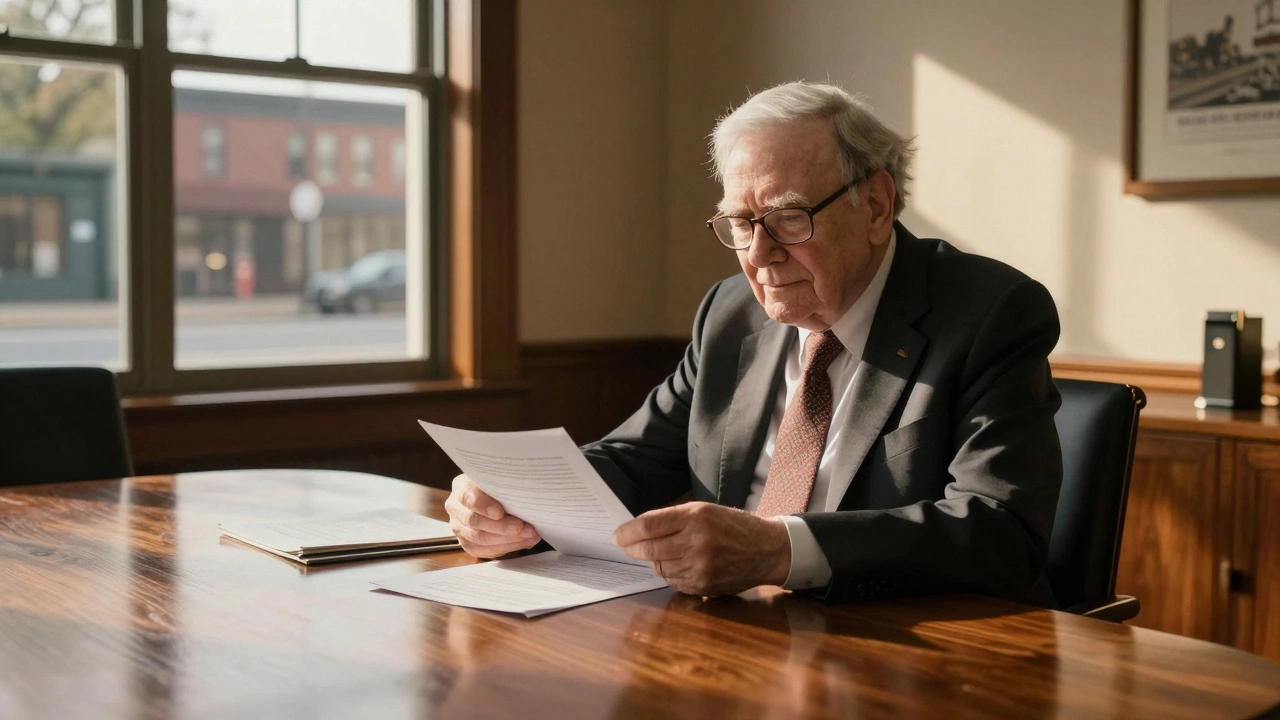
There is a persistent myth that Warren Buffett is the Oracle of Omaha and CEO of Berkshire Hathaway who famously invests in undervalued companies with durable competitive advantages keeps a secret list of "favorite" stocks that he whispers to his inner circle. The reality is much simpler, yet far more powerful for the average investor. Buffett does not have a single "favorite" stock in the way a fan might have a favorite sports team. Instead, he has a portfolio of positions that he holds because they meet strict criteria: predictable earnings, strong management, and a moat that protects them from competitors.
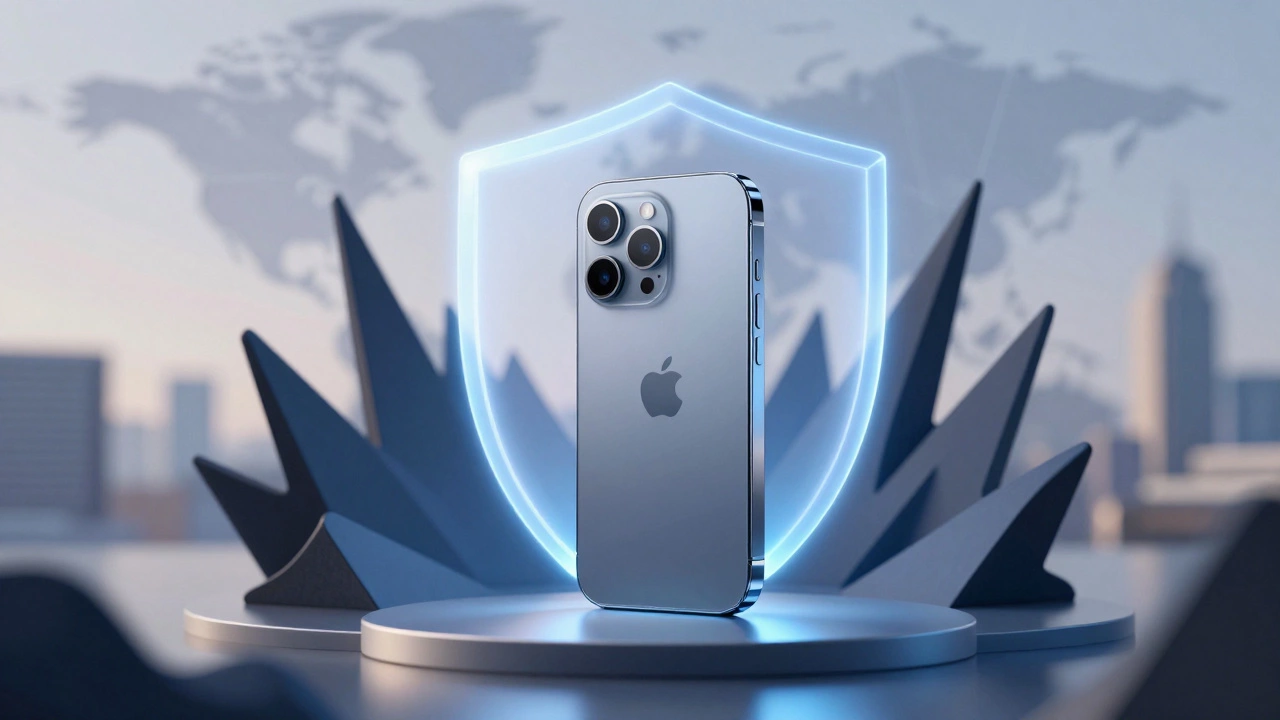
If you are looking for the answer to "what is Warren Buffett's favorite stock," you are likely trying to find a shortcut to wealth. You want to know where the master puts his money so you can follow suit. While copying his exact moves is rarely advisable due to scale differences, understanding *why* he buys certain companies reveals a timeless strategy. As of mid-2026, his largest holding remains Apple Inc. is a multinational technology company that designs consumer electronics, software, and online services, but the story behind this choice teaches us more about risk management than it does about tech speculation.
The Heavyweight Champion: Why Apple Dominates the Portfolio
For years, investors were confused when Buffett bought Apple. He had previously stated he did not understand technology companies or felt uncomfortable investing in businesses where product cycles were too short. Yet, starting around 2016 and accelerating through 2018, Berkshire Hathaway began accumulating massive amounts of AAPL shares. By 2024 and into 2026, Apple consistently makes up roughly 40% to 50% of Berkshire’s public equity portfolio.
Why Apple? It wasn’t about the iPhone as a gadget. Buffett viewed Apple as a consumer goods company with a cult-like brand loyalty similar to Coca-Cola or See’s Candies. When you buy an Apple product, you enter an ecosystem that is difficult to leave. This creates what Buffett calls an "economic moat." The recurring revenue from services like iCloud, Apple Music, and the App Store provides stability that pure hardware manufacturers lack. For Buffett, Apple became a cash cow with pricing power. Even if sales dip slightly, customers still pay premium prices. That predictability is worth more to him than the next big AI breakthrough.
Beyond Tech: The Traditional Pillars of Value
While Apple gets the headlines, Buffett’s true identity is rooted in traditional industries. These are sectors where he understands the business models intimately. If you strip away the tech giant, here are the other entities that define his "favorites":
- American Express: This has been a staple since the 1970s. Buffett believes in the brand’s resilience. Even during crises, people need to make payments, and Amex charges fees that generate steady income. It is a classic example of a franchise with enduring value.
- Coca-Cola: Perhaps the most famous partnership in finance history. Buffett likes Coke because it sells a low-cost product globally with high margins. The brand recognition allows them to raise prices without losing significant market share. It is inflation-resistant by design.
- Bank of America: Buffett loves banks, provided they are well-managed and cheap. Bank of America offers Berkshire a large stake with preferred dividends, providing a steady income stream while keeping exposure to the financial sector.
- Occidental Petroleum: In recent years, Buffett has increased his bet on energy. Oil and gas provide tangible assets and dividends. This move reflects a pragmatic view of global energy demand and a desire to hedge against currency debasement.
Notice a pattern? None of these are speculative bets on unproven technologies. They are established giants with decades of profitable history. Buffett isn’t looking for the next unicorn; he is buying the current kings.
The Criteria Behind the Buy: How to Think Like Buffett
You cannot simply buy what Buffett buys today and expect the same results. Berkshire Hathaway operates at a scale that retail investors do not. When he buys billions of dollars in stock, he needs companies that can absorb that capital without their price skyrocketing immediately. However, you can adopt his decision-making framework. Here is how he evaluates a potential "favorite":
- Circle of Competence: Does he understand how the company makes money? If the business model is complex or relies on trends he cannot predict five years out, he passes. This is why he avoided Amazon for so long-he didn’t see a clear path to sustained profitability relative to its valuation.
- Economic Moat: Does the company have a competitive advantage? This could be a brand (Coca-Cola), a network effect (American Express), or cost advantages (GEICO). Without a moat, competitors will eventually erode profits.
- Management Quality: Are the leaders rational and shareholder-oriented? Buffett looks for managers who allocate capital wisely rather than burning cash on ego-driven acquisitions.
- Margin of Safety: Is the price right? Even a great company is a bad investment if you overpay. Buffett waits for dips or periods of market fear to buy quality assets at a discount.
Recent Moves and What They Signal for 2026
In the lead-up to 2026, Berkshire Hathaway made several notable adjustments that signal a shift in strategy under Buffett’s continued leadership. There was a significant reduction in some tech holdings, not because the companies failed, but because they reached valuations that no longer offered a margin of safety. Meanwhile, Berkshire accumulated cash reserves to historic levels. Why?
When the world’s greatest investor sits on a mountain of cash, it usually means he finds few opportunities that meet his strict criteria. In 2025 and early 2026, many markets traded at elevated multiples. Buffett’s patience is a feature, not a bug. He would rather hold cash and earn interest than buy overpriced stocks. This behavior should comfort nervous investors: even experts step back when the market gets expensive.
Additionally, there has been a quiet accumulation of insurance companies and utility firms. These are boring, regulated businesses that provide stable cash flows. In a volatile geopolitical landscape, stability becomes a premium asset. Buffett is positioning Berkshire to weather storms, not just chase growth.
| Company | Industry | Key Moat Factor | Buffett's Rationale |
|---|---|---|---|
| Apple Inc. | Technology / Consumer Goods | Brand Loyalty & Ecosystem | Predictable cash flow, pricing power |
| American Express | Financial Services | Network Effect & Brand Trust | Recurring revenue, resilient during downturns |
| Coca-Cola | Consumer Staples | Global Distribution & Brand | Inflation hedge, high margins |
| Bank of America | Banking | Scale & Regulatory Barriers | Preferred dividends, yield generation |
| Occidental Petroleum | Energy | Tangible Assets | Dividends, commodity exposure |
Common Mistakes When Copying Buffett
Many retail investors try to mimic Buffett by buying his top holdings. This often leads to frustration. Here is why:
Timing Differences: Buffett may have bought Apple when it was trading at a lower multiple. If you buy now, you are entering at a different valuation. Your entry point determines your future returns, not just the quality of the company.
Diversification Needs: Berkshire Hathaway is already diversified across insurance, railroads, utilities, and manufacturing. Its stock portfolio is just one part of the whole. If you put all your money into Apple because Buffett does, you are taking on concentrated risk. You need a broader portfolio to manage volatility.
Time Horizon: Buffett plans to hold stocks forever. Most investors panic after a 10% drop. Can you stomach seeing your portfolio shrink by half during a recession? If not, you are not suited for this strategy, regardless of which stock you pick.
Building Your Own "Favorite" List
Instead of asking "What is Warren Buffett's favorite stock?" ask yourself "What characteristics make a stock a good long-term hold?" Create a checklist based on his principles:
- Does the company have positive free cash flow?
- Is the debt level manageable?
- Do I understand the business model clearly?
- Would I be comfortable holding this stock if the market closed for five years?
If the answer is yes to all four, you have found a candidate. It might not be Apple. It could be a local healthcare provider, a niche software firm, or a grocery chain. The specific ticker matters less than the underlying economics.
Warren Buffett’s success is not magic. It is discipline. He ignores the noise of daily market fluctuations and focuses on the intrinsic value of businesses. His "favorite" stock is whichever company meets his criteria at the right price. For you, the goal should not be to copy his portfolio, but to internalize his mindset. Look for quality, wait for a good price, and hold with conviction. That is the real secret behind the Oracle of Omaha’s wealth.
What is Warren Buffett's single largest stock holding in 2026?
As of 2026, Warren Buffett's single largest stock holding is Apple Inc. (AAPL). It typically comprises between 40% and 50% of Berkshire Hathaway's public equity portfolio. Buffett views Apple not just as a tech company, but as a consumer goods powerhouse with immense brand loyalty and recurring service revenue.
Why does Warren Buffett own so much Apple stock?
Buffett owns Apple because it fits his criteria for a durable competitive advantage, or "moat." The company has a sticky ecosystem that locks users into its devices and services, generating predictable and growing cash flows. Additionally, Apple has demonstrated strong pricing power and efficient capital allocation, returning significant value to shareholders through buybacks and dividends.
Should I buy the same stocks as Warren Buffett?
You should not blindly copy Buffett's stock picks. Berkshire Hathaway operates at a massive scale that allows it to influence corporate governance and access private deals. More importantly, Buffett buys at specific valuations. If you buy his holdings today, you may be paying a higher price than he did. Instead, study his criteria-such as economic moats and management quality-and apply those principles to your own research.
What are some other stocks Warren Buffett has held for decades?
Besides Apple, Buffett has long-term holdings in American Express, Coca-Cola, and See’s Candies (wholly owned). He also maintains significant positions in Bank of America and Occidental Petroleum. These companies share traits of strong brands, consistent earnings, and dominant market positions.
How can I find out what stocks Berkshire Hathaway currently owns?
Berkshire Hathaway files a Form 13F with the U.S. Securities and Exchange Commission (SEC) quarterly. This document lists all institutional investment products managing over $100 million in qualifying assets. You can find these filings on the SEC's EDGAR database or on Berkshire Hathaway's official investor relations website. Note that there is a lag of about 45 days after the quarter ends before the data is public.
Does Warren Buffett invest in cryptocurrency or AI startups?
No. Warren Buffett has consistently criticized cryptocurrency, calling it a "rat poison squared" because it produces nothing of value. Regarding AI, while Berkshire owns companies that use AI (like Apple and GEICO), he avoids direct investments in pure-play AI startups. He prefers businesses with tangible assets and proven historical performance over speculative technologies.