
Debt Settlement Negotiation Calculator
Your Financial Situation
Enter your debt details to see a recommended strategy and estimate your savings.
Negotiation Checklist
Imagine getting a letter in the post that says you owe €5,000. You check your bank account, and it’s barely enough for rent this month. The panic sets in. But what if I told you that under certain conditions, you might not have to pay that full amount? It sounds too good to be true, but asking for debt forgiveness is a real strategy used by thousands of people across Ireland and the UK every year.
Most people think they must pay every cent they borrow. That’s simply not how the system works. Lenders are businesses, and their primary goal is to recover as much money as possible, not necessarily 100% of what you owe. If paying the full balance means they get nothing because you go bankrupt or default completely, they will often prefer to accept a smaller lump sum now. This is the core logic behind negotiating a settlement.
Understanding When You Can Ask for Forgiveness
Not every debt is eligible for negotiation. Before you pick up the phone, you need to understand which debts are flexible and which are rigid. Unsecured debts are your best bet. These include credit cards, personal loans, medical bills, and some utility arrears. Because there is no physical asset backing these loans, the lender has limited options if you stop paying entirely.
Secured debts, like your mortgage or car loan, are different. If you stop paying, the bank can repossess your home or vehicle. They rarely forgive secured debt unless the property value has dropped significantly below what you owe (known as being 'underwater'). For this guide, we are focusing on unsecured debts, where negotiation is most common.
You also need to be in a genuine position of financial hardship. Lenders do not offer forgiveness just because you want to clear your books quickly. You need a compelling reason why you cannot pay the full amount. Common triggers include job loss, serious illness, divorce, or a sudden drop in income. If you are currently making minimum payments without issue, a lender will likely reject your request immediately.
The Psychology of the Lender
To negotiate effectively, you need to shift your mindset. You are not begging for charity; you are proposing a business solution. When you approach a debt collector or bank representative, remember that they work on targets. Collecting €2,000 from a €5,000 debt counts as a success for them if the alternative is writing off the entire amount as a bad debt.
Lenders categorize accounts based on risk. If your account is recent (less than 60 days overdue), they may be less willing to negotiate. However, if the debt is older (90+ days past due) or has been sold to a third-party collection agency, your leverage increases. Collection agencies buy debt for pennies on the dollar. If they bought your €5,000 debt for €500, settling for €2,000 is a massive profit for them. Knowing this gives you confidence during the call.
Preparing Your Financial Case
Before you make contact, gather your documents. You need to prove your hardship with data, not just words. Create a simple budget sheet showing your monthly income versus essential expenses (rent, food, utilities). Highlight the gap between what you earn and what you spend. This document becomes your evidence that you physically cannot afford the full repayment plan.
Also, know your numbers. Decide on a maximum lump sum you can raise. Can you borrow from family? Sell unused items? Use a tax refund? Having a specific figure in mind prevents you from accepting unfavorable terms or stalling the conversation. Aim to start your negotiation lower than your maximum limit to leave room for compromise.
- Income Proof: Recent payslips or unemployment benefit statements.
- Expense List: Detailed breakdown of fixed monthly costs.
- Asset Check: Any liquid assets available for a lump sum payment.
- Debt Summary: Total outstanding balance and interest rates.
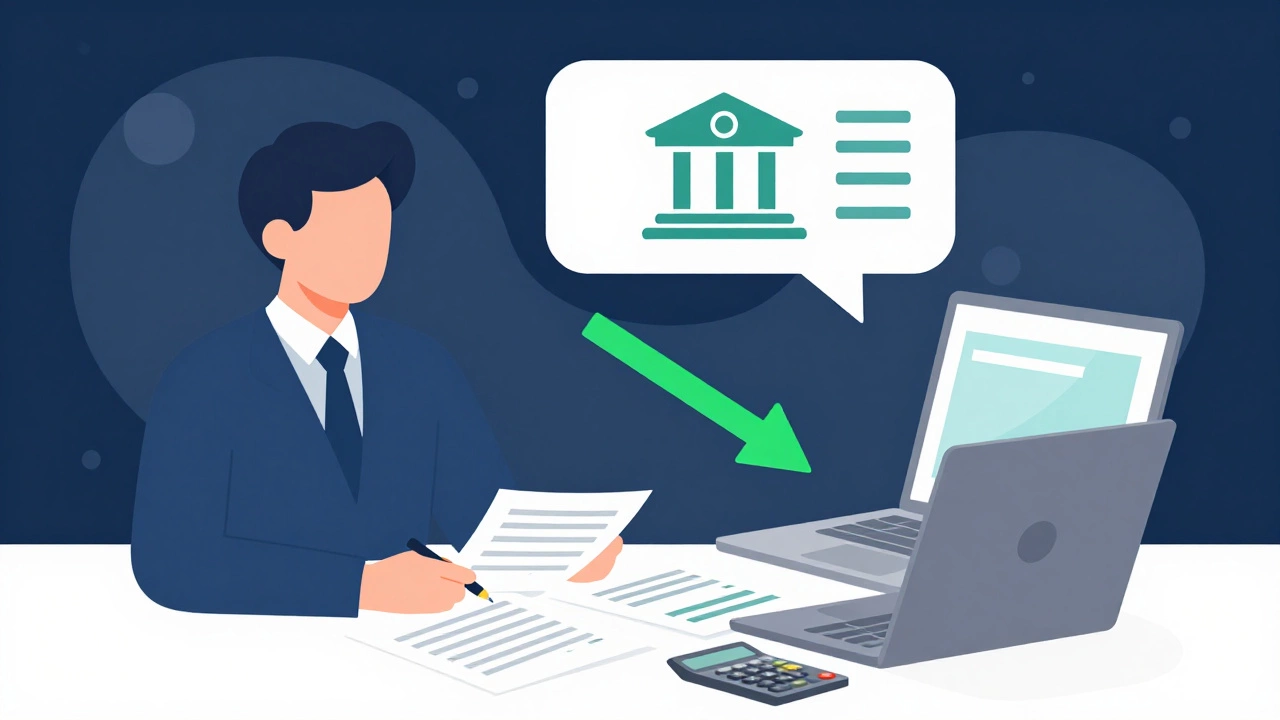
Step-by-Step: How to Make the Request
Timing matters. Call during business hours, preferably early in the week when agents are fresh. Do not leave voicemails asking for forgiveness; always speak to a human. When you reach the customer service department, ask specifically for the "loss mitigation" or "hardship department." Regular customer service reps often lack the authority to approve settlements.
Start the conversation calmly. State clearly that you intend to pay but are facing severe financial difficulty. Avoid emotional outbursts. Stick to the facts: "I lost my job in March, and my income has dropped by 40%. I want to resolve this debt, but I cannot pay the full balance. Is there a possibility to settle this account for a reduced lump sum?"
If the first agent says no, do not give up. Ask to speak to a supervisor or a manager. Often, frontline staff follow strict scripts, while managers have more discretion. Be polite but persistent. If they refuse again, ask what documentation they need to consider a hardship application. Sometimes, submitting a formal written letter with proof of income and expenses triggers a review process that phone calls do not.
Negotiating the Settlement Terms
Once the lender agrees to discuss a settlement, focus on the terms. The most critical rule is this: never agree to a settlement until you have it in writing. Verbal promises mean nothing. Ask for a "Settlement in Full" letter that states the agreed-upon amount and confirms that paying this sum will close the account with a zero balance.
Be wary of partial settlements that still require monthly payments. While manageable, these carry the risk of falling back into default. A one-time lump sum settlement is cleaner and faster. If you cannot raise a lump sum, propose a structured payment plan for the reduced amount. Ensure the agreement specifies that no further interest will accrue during the payment period.
| Element | Description | Why It Matters |
|---|---|---|
| Settlement Amount | The exact figure you agree to pay. | Prevents hidden fees or miscalculations. |
| Payment Deadline | Date by which funds must be received. | Avoids penalties for late payment. |
| Satisfaction Clause | Statement that payment clears the debt. | Ensures the lender cannot pursue remaining balance. |
| Credit Reporting | How the account will appear on your credit file. | Impacts future borrowing ability. |
The Impact on Your Credit Score
Here is the hard truth: settling a debt for less than you owe will damage your credit score. The lender will report the account as "settled" rather than "paid in full." This notation stays on your credit file for several years. In Ireland and the UK, negative information typically remains for six years from the date of default.
However, a settled debt is often better than a charged-off account or bankruptcy. A settled status shows you took responsibility and resolved the issue, even if imperfectly. Over time, as the mark ages, its impact diminishes. Focus on rebuilding your credit afterward by keeping new accounts current and maintaining low utilization ratios.

Tax Implications of Forgiven Debt
Many people overlook this step. In many jurisdictions, including parts of the US and potentially Ireland depending on local tax laws, forgiven debt can be considered taxable income. Why? Because the IRS or Revenue Commissioners view the money you didn't have to pay as a gain. If you owed €10,000 and settled for €6,000, the €4,000 difference might be added to your taxable income for that year.
In Ireland, the rules are nuanced. Generally, individuals are not taxed on cancelled debts unless it was a business-related loan or part of a formal insolvency arrangement. However, if you are self-employed or the debt was used for business purposes, you must consult a qualified accountant. Always keep records of the settlement letter in case tax authorities question your income declaration later.
When to Seek Professional Help
If the negotiation feels overwhelming or the debt involves multiple creditors, consider hiring a certified debt management professional. In Ireland, organizations like Money Advice and Budgeting Service (MABS) offer free, independent advice. They can help you draft letters, negotiate with lenders, and set up Personal Insolvency Arrangements (PIAs) if necessary.
Be cautious of private debt settlement companies that charge high upfront fees. Legitimate advisors usually charge a small percentage of the saved amount or a flat monthly fee after results are achieved. Never sign over control of your finances to a company that guarantees forgiveness; no one can guarantee a lender will agree.
Common Pitfalls to Avoid
One major mistake is stopping all payments before securing an agreement. If you halt payments hoping the lender will call you, you risk triggering legal action or additional fees. Continue making minimum payments if you can, or at least communicate proactively. Silence is interpreted as indifference, while engagement signals willingness to resolve.
Another pitfall is agreeing to a payment plan you cannot sustain. Just because a lender offers a reduced monthly payment does not mean you should accept it if it strains your budget. Reassess your income stability. If you are unsure about future earnings, prioritize lump-sum settlements or seek legal advice before committing.
Will asking for debt forgiveness hurt my credit score?
Yes, it will likely lower your score temporarily. The account will be marked as "settled" instead of "paid in full," which is a negative marker. However, it is often less damaging than bankruptcy or prolonged delinquency. The impact fades over time as you rebuild positive credit history.
Can I negotiate debt forgiveness if I am still making payments?
It is difficult but possible. Lenders are less motivated to negotiate if you are current on payments. You would need to demonstrate a sudden, severe change in financial circumstances, such as job loss or medical emergency, to justify a reduction.
Do I have to pay tax on forgiven debt in Ireland?
For most personal consumer debts, no. Irish tax law generally does not treat cancelled personal debt as taxable income. However, if the debt was related to business activities or investment properties, it may have tax implications. Consult a tax advisor for complex cases.
What if the lender refuses to negotiate?
If direct negotiation fails, consider seeking help from a free advisory service like MABS in Ireland. They can mediate on your behalf or explore other options like statutory voltage arrangements or insolvency procedures if your debt level is severe.
Is debt forgiveness the same as bankruptcy?
No. Bankruptcy is a legal process declared by a court, involving the liquidation of assets and long-term credit restrictions. Debt forgiveness is a voluntary agreement between you and the lender to accept less than owed. It is generally less severe and faster to resolve than bankruptcy.