
Debt Statute of Limitations Checker
Recommended Actions:
You get a call. The voice on the other side sounds professional, urgent, and demanding. They want payment for a credit card balance or medical bill from ten years ago. Your heart skips a beat. You remember that debt. It’s been buried under layers of life changes, job switches, and forgotten paperwork. But now it’s back. The immediate question isn’t just about money-it’s about legality. Can they really force you to pay something that old?
The short answer is: it depends entirely on where you live and what kind of debt it is. In many cases, a 10-year-old debt has passed the statute of limitations, meaning collectors cannot sue you to collect it. However, "cannot sue" does not mean "cannot call." Collectors can still harass you, negotiate with you, or even sell your information to other agencies. Understanding the difference between legal enforceability and moral obligation is the first step in protecting your financial peace.
Understanding the Statute of Limitations on Debt
The Statute of Limitations (SOL) is a state law that sets the maximum time after an event within which legal proceedings may be initiated. For debt, this clock starts ticking when you last made a payment or acknowledged the debt in writing. Once this period expires, the debt becomes "time-barred."
This is not a federal rule. Each state in the U.S. has its own laws regarding how long creditors have to file a lawsuit. Generally, statutes of limitations for consumer debts range from three to six years. Some states extend this to seven or even ten years for written contracts like promissory notes. If your debt is truly ten years old, it is highly likely that the SOL has expired in most jurisdictions, unless specific actions reset the clock.
It is crucial to distinguish between the statute of limitations and the Fair Credit Reporting Act (FCRA). The FCRA limits how long negative information can stay on your credit report-usually seven years for most debts, and up to seven years and seventeen months for Chapter 7 bankruptcies. Even if a debt falls off your credit report, it can still be legally enforceable if the SOL hasn't run out. Conversely, a debt might still be on your credit report but be time-barred from litigation. These two timelines rarely align perfectly.
How the Clock Gets Reset: Revival of Old Debt
Here is the trap that catches most people. The statute of limitations is not always a fixed countdown from the day you missed your first payment. Certain actions can "reset" the clock, starting the timer over again. This process is known as debt revival.
- Making a Payment: Even a small payment toward the old debt can restart the SOL. If you paid $5 on a $5,000 debt five years ago, the clock might have restarted then, giving the creditor another full term to sue you.
- Acknowledging the Debt: Signing a new agreement, sending a letter admitting you owe the money, or sometimes even promising to pay can reset the clock. Verbal acknowledgments are harder to prove in court, but written ones are binding.
- New Account Activity: For revolving credit like credit cards, using the card again after a period of non-payment can revive the entire balance, including the old portion.
If you haven’t made any payments or acknowledged the debt in writing for ten years, the clock likely did not reset. However, if you engaged with the original creditor or a collector during that decade, you need to check your state’s specific laws to see if the SOL was extended.

What Collectors Can and Cannot Do With Time-Barred Debt
Just because a debt is time-barred doesn’t mean collectors will leave you alone. In fact, buying portfolios of old, uncollectible debt is a huge business. Companies buy these debts for pennies on the dollar and make their profit by convincing you to pay voluntarily.
Under the Fair Debt Collection Practices Act (FDCPA), collectors are federal law regulating debt collection practices and prohibiting abusive, unfair, or deceptive behaviors. there are strict rules about how they handle time-barred debt. They cannot sue you. More importantly, they cannot threaten to sue you. If they mention the possibility of legal action on a debt that is past the statute of limitations, they are violating the FDCPA.
They can still:
- Contact you via phone, mail, or email.
- Ask you to pay the debt.
- Report the debt to credit bureaus if it is still within the seven-year reporting window (though many old debts fall off before this).
If you feel harassed, you have rights. You can send a cease-and-desist letter. Under the FDCPA, once they receive this in writing, they can only contact you to confirm they will stop contacting you or to notify you of specific remedies, such as filing a lawsuit (which they can’t do if the debt is time-barred) or correcting inaccurate information.
Should You Pay a Time-Barred Debt?
This is the million-dollar question. There is no one-size-fits-all answer, but there are clear risks and rewards.
The Risk: As mentioned earlier, making a payment or acknowledging the debt can restart the statute of limitations. If you pay $100 on a $5,000 debt, you might inadvertently make the remaining $4,900 legally enforceable again. Suddenly, a collector could sue you for the full amount. This is the biggest danger of engaging with old debt.
The Reward: Paying the debt removes the psychological burden. It also ensures the collector stops calling. If the debt is still on your credit report, paying it might improve your score slightly, though the impact diminishes as the age of the item increases. Most importantly, it prevents the debt from being sold to another aggressive agency later.
If you decide to pay, never do so verbally. Get everything in writing. Negotiate a "pay-for-delete" agreement if the debt is still on your credit report, or at least get a settlement letter stating that the payment is final and the debt is considered satisfied. Never make a partial payment without explicit written confirmation that this will not revive the statute of limitations.
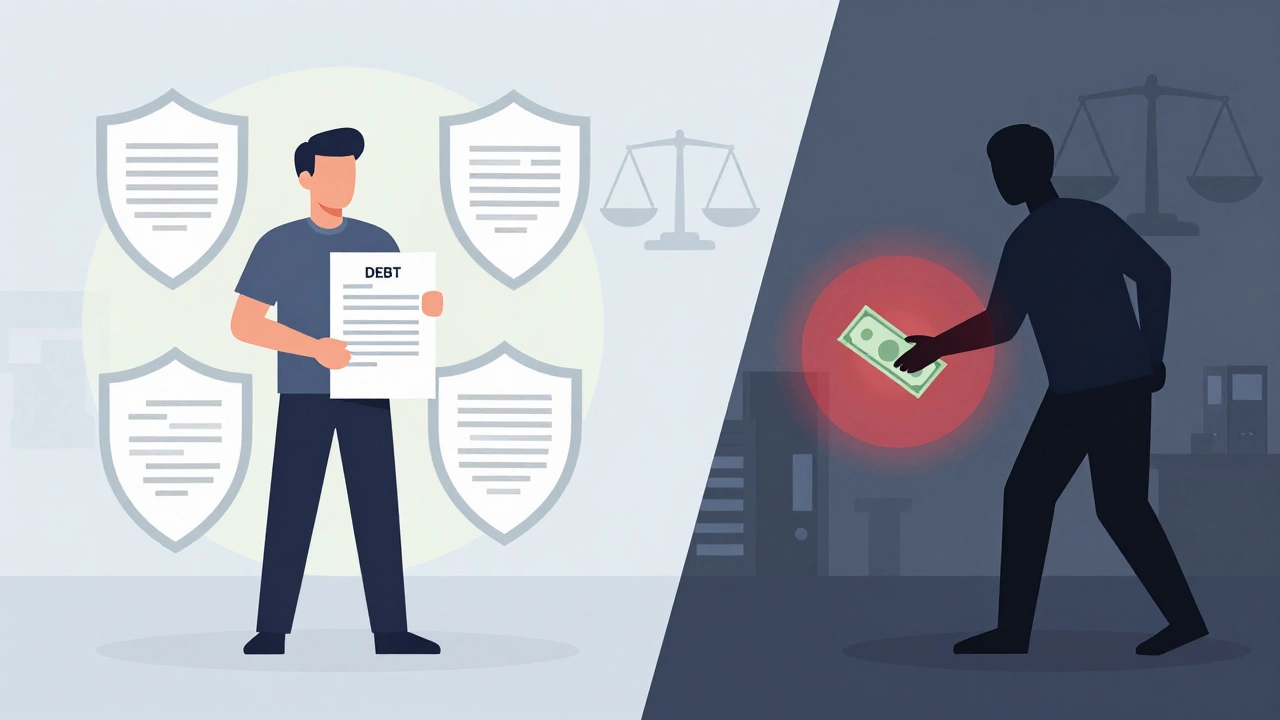
Steps to Take When Contacted About Old Debt
If a collector calls about a 10-year-old debt, stay calm. Do not admit anything. Do not give personal information. Here is a practical checklist for handling the situation:
- Request Validation: Within 30 days of first contact, send a debt validation letter requesting proof that you owe the debt. Ask for the original creditor, the amount owed, and the date of the last activity. Many collectors cannot provide this for very old debts and will drop the case.
- Check the SOL: Research your state’s statute of limitations for the specific type of debt (credit card, medical, student loan, etc.). Calculate the time since your last payment or acknowledgment.
- Do Not Acknowledge: Avoid saying things like "I know I owe this" or "I’ll try to pay next month." Stick to neutral phrases like "I need to verify this debt first."">
- Document Everything: Keep records of all calls, letters, and emails. Note dates, times, and names of representatives.
- Consult a Professional: If the collector threatens legal action or continues harassment despite a cease-and-desist letter, consult a consumer protection attorney. Many offer free consultations for FDCPA violations.
Special Cases: Student Loans and Medical Debt
Not all debts follow the same rules. Federal student loans generally do not have a statute of limitations. They can be collected indefinitely through wage garnishment and tax refund offsets. Private student loans, however, are subject to state SOLs, typically ranging from three to six years.
Medical debt is treated like any other consumer debt in most states. However, recent changes in credit reporting policies have led some major credit bureaus to remove paid medical collections from reports entirely. Unpaid medical debt under $500 is also often excluded. If you have old medical debt, check if it qualifies for these exemptions before engaging with collectors.
Does paying off a time-barred debt help my credit score?
If the debt is still on your credit report, paying it may improve your score slightly, especially if it was reported as delinquent. However, if the debt has already fallen off your report (usually after 7 years), paying it will not affect your score. The primary benefit of paying is stopping collection efforts and removing the psychological stress.
Can a debt collector sue me if the statute of limitations has expired?
They can file a lawsuit, but you can use the expired statute of limitations as a defense. If they do, you should inform the court immediately that the debt is time-barred. A judge will likely dismiss the case. However, threatening to sue on a time-barred debt is illegal under the FDCPA.
How do I find out the statute of limitations for debt in my state?
You can search online for "[Your State] statute of limitations for debt" or consult a local consumer protection attorney. The timeframe varies by state and debt type (e.g., oral contract vs. written contract). Most states range between 3 to 6 years for credit card debt.
What happens if I ignore a debt collector?
If the debt is time-barred, ignoring them usually results in them eventually moving on to other targets. However, they may continue to call or mail you until they sell the debt or decide it's not worth pursuing. Ignoring them does not make the debt disappear, but it also does not restart the statute of limitations unless you engage with them.
Is it illegal for a debt collector to lie about the statute of limitations?
Yes. Misrepresenting the legal status of a debt, including lying about whether it can be sued upon, is a violation of the Fair Debt Collection Practices Act (FDCPA). You can file a complaint with the Consumer Financial Protection Bureau (CFPB) or sue the collector for damages.