Hardship Loan Risk & Cost Calculator
Not all "hardship loans" are created equal. Use this tool to compare different funding sources, calculate your total repayment amount, and identify potential red flags before you sign.
Enter loan details and click "Analyze Loan" to see your estimated costs and risk assessment.
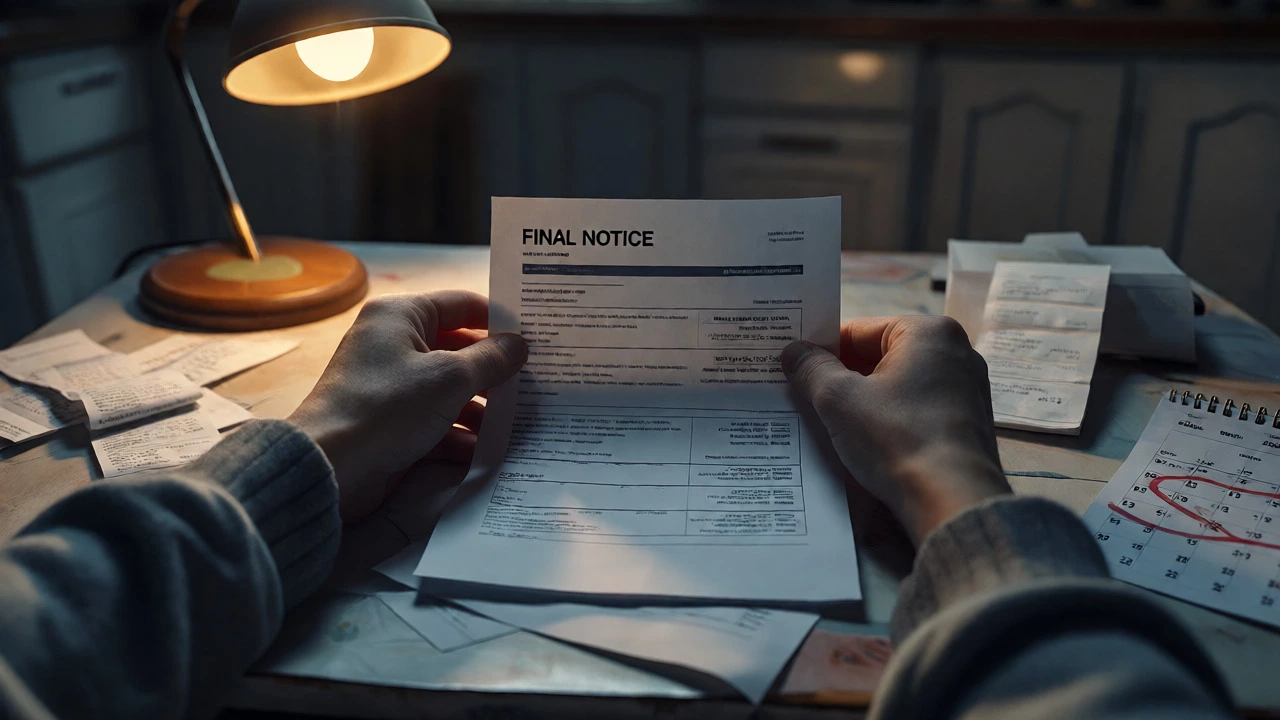
You’re staring at a bill that’s due in three days. Your bank account is nearly empty, and your credit score isn’t exactly helping you negotiate better terms. You search online for "hardship loans" and find dozens of offers promising instant cash with no credit checks. It sounds too good to be true. Is it a scam designed to trap you in deeper debt, or is it a legitimate lifeline when traditional banks say no?
The short answer: Yes, hardship loans are legit, but they come with significant caveats that most headlines gloss over. They aren't a single product; they're a category of financial tools ranging from nonprofit grants to high-interest payday alternatives. The difference between a lifesaver and a sinkhole depends entirely on who is lending the money and what fine print you’re signing.
What Exactly Is a Hardship Loan?
When people say "hardship loan," they usually mean one of two things. First, there are emergency assistance programs offered by nonprofits, local charities, or religious organizations. These often provide grants (money you don't pay back) or zero-interest loans for specific needs like rent, utilities, or medical bills. Second, there are high-risk personal loans from private lenders targeting borrowers with poor credit or urgent cash flow issues. These are actual loans with interest rates that can rival or exceed credit card APRs.
Legitimacy hinges on this distinction. A $500 grant from a local community action agency is almost always legit. A "no-credit-check" loan from an unknown website charging 300% APR might be technically legal but financially dangerous. Understanding which type you're dealing with is the first step to avoiding a predatory trap.
The Red Flags of Predatory Lenders
Not all lenders have your best interests at heart. If you're evaluating a private lender, watch out for these warning signs. They signal that the "hardship" label is just marketing fluff for expensive debt.
- Upfront Fees: Legitimate lenders deduct fees from the loan amount or add them to the balance. If they ask you to wire money before receiving the funds, walk away. This is a classic advance-fee scam.
- Vague Terms: If the Annual Percentage Rate (APR) isn't clearly stated in writing, run. High-interest loans should explicitly show the total cost of borrowing.
- No Credit Check Promises: While some legitimate subprime lenders do minimal checks, anyone claiming "no credit check ever" is likely compensating with exorbitant interest rates or balloon payments.
- Pressure Tactics: Reputable lenders give you time to read the contract. If you feel rushed to sign, it's a red flag.
According to the Consumer Financial Protection Bureau (CFPB), many complaints against small-dollar lenders stem from hidden fees and misleading advertising. Always verify the lender's physical address and state license number before applying.

Where to Find Truly Legit Hardship Assistance
If you need help covering basic living expenses, start with sources that prioritize aid over profit. These options often have lower barriers to entry and more flexible repayment structures.
| Source Type | Typical Cost | Best For | Speed |
|---|---|---|---|
| Nonprofit Charities | $0 (Grant) or Low Interest | Rent, Utilities, Food | Slow (1-2 weeks) |
| Credit Union Payday Alternative Loans (PALs) | Max 28% APR | Small Cash Needs ($200-$2,000) | Fast (Same day) |
| Employer Advances | $0 (Payroll Deduction) | One-time Emergencies | Very Fast |
| Online Subprime Lenders | High (30%-100%+ APR) | Larger Debt Consolidation | Fast (1-3 days) |
Credit unions are particularly noteworthy here. Unlike big banks, they are member-owned and often offer Payday Alternative Loans (PALs). The National Credit Union Administration caps PAL interest rates at 28%, making them a far safer bet than typical payday loans, which can hit 400% APR. To qualify, you usually need to be a member for at least 30 days, so joining early if you anticipate financial trouble is smart.
How to Vet a Lender Before Signing
Don't rely solely on flashy websites or aggressive ads. Spend ten minutes doing due diligence. It could save you thousands in interest.
- Check State Licensing: Every state regulates lenders differently. Search your state's Department of Banking or Financial Regulation website to see if the lender holds a valid license.
- Read Third-Party Reviews: Look beyond the company's own testimonials. Check the Better Business Bureau (BBB) rating and read recent reviews on Trustpilot or Reddit. Look for patterns in complaints about billing errors or collection practices.
- Calculate the True Cost: Use an online calculator to determine the total payoff amount. If you borrow $500 at 36% APR for six months, you'll pay roughly $95 in interest. At 300% APR, that jumps to over $700. The difference is stark.
- Verify Contact Info: Call their customer service number. If it goes straight to voicemail or connects to an overseas call center with no clear accountability, proceed with caution.
Remember, a legitimate lender wants a repeat customer. They benefit when you repay on time. Predatory lenders often profit from rollovers and late fees, meaning they may prefer you struggle to pay off the principal quickly.

Alternatives When You Can't Qualify for Traditional Loans
Sometimes, even a subprime loan isn't the right fit. If your income is irregular or your credit score is below 500, consider these options before taking on high-interest debt.
Negotiate Directly: Call your utility company or landlord. Many have hardship programs that allow you to spread payments over several months without interest. Explain your situation honestly; they'd rather get paid slowly than chase you through collections.
Borrow from Retirement: Some 401(k) plans allow loans against your vested balance. The interest you pay goes back into your own account, not to a bank. However, if you leave your job, the loan may become due immediately, creating a new crisis. Use this only as a last resort.
Community Resources: Dial 211 in the US and Canada to connect with local social services. They can direct you to food banks, emergency rental assistance, and utility shut-off prevention programs funded by government or charitable sources.
The Bottom Line on Hardship Loans
Hardship loans are real, but they aren't magic. They work best when used strategically to bridge a temporary gap, not to fund a lifestyle beyond your means. If you take out a loan, have a concrete plan to pay it off. Create a strict budget that cuts non-essential spending until the debt is cleared.
Stay skeptical of "instant approval" guarantees. Read every clause. Compare the total cost against at least two other options. And if a deal feels confusing or pressured, pause. Taking a day to breathe and research is always worth it compared to signing up for years of financial stress.
Do hardship loans affect my credit score?
It depends on the lender. Traditional personal loans report to credit bureaus, so timely payments can help build credit, while missed payments will hurt it. Nonprofit grants don't appear on credit reports. Payday loans typically don't report unless you default, in which case they send accounts to collections, severely damaging your score.
Can I get a hardship loan with bad credit?
Yes. Many lenders specialize in bad-credit borrowers. Options include secured loans (using a car title or savings account as collateral), credit union PALs, or online subprime lenders. However, expect higher interest rates and stricter repayment terms compared to prime loans.
Is it better to use a credit card or a hardship loan?
If you have available credit and can pay it off within a few months, a credit card is often cheaper due to lower interest rates and potential grace periods. A hardship loan is better for larger amounts or longer repayment timelines where fixed monthly payments help with budgeting. Avoid using credit cards if you only make minimum payments, as compound interest can grow rapidly.
What happens if I can't pay back a hardship loan?
Consequences vary by lender. Unsecured personal loans may lead to lawsuits or wage garnishment. Secured loans (like auto title loans) risk losing the collateral. Most lenders charge late fees and increase interest rates. Communicate with your lender immediately if you foresee a payment issue; many offer deferment options to avoid default.
Are online hardship loan sites safe?
Many are safe aggregators that match you with licensed lenders. However, some sites sell your data to multiple lenders, leading to spam calls. Always check the privacy policy and ensure the final lender is reputable. Using well-known platforms like NerdWallet, Bankrate, or specific credit union networks reduces risk compared to obscure ad-driven sites.