
Debt Consolidation Eligibility Checker
Enter your financial details below to see if you meet the typical criteria banks use to approve debt consolidation loans.
Result Title
Detailed feedback goes here.
You have three credit cards, a medical bill, and maybe an old student loan. The monthly payments are eating your budget, and the stress is real. You call your current bank, hoping they can bundle everything into one manageable payment. It sounds like a dream come true: one lender, one date, one number. But does your bank actually want to help you consolidate that debt? Or are they just trying to sell you another product?
The short answer is: sometimes. But it’s rarely as simple as asking for a favor. Banks are businesses, not charities. They will only consolidate your debt if it makes financial sense for them. That means your credit score needs to be decent, your income needs to be stable, and the new loan needs to offer them a profit margin. If you’re already struggling with missed payments, your bank might look at you with suspicion rather than sympathy.
How Banks View Debt Consolidation
To understand why your bank might say yes or no, you need to see things from their perspective. Debt consolidation is the process of combining multiple debts into a single loan, usually with a lower interest rate or fixed term. For a bank, this is essentially replacing high-interest unsecured debt (like credit cards) with a medium-interest secured or unsecured loan.
Banks love low-risk customers. If you’ve been paying your bills on time for years, they see you as a safe bet. They’ll likely offer you a personal loan with a fixed interest rate and set repayment schedule to pay off your other balances. This locks in their interest income for the life of the loan. However, if your credit history shows recent late payments, high utilization, or a drop in income, the bank sees higher risk. In that case, they might deny the application or offer a rate so high that consolidation doesn’t make sense.
It’s also worth noting that banks often prefer you to keep using their products. If you consolidate with them, they hope you’ll use your cleared credit cards again-just don’t do that. It defeats the purpose.
When Your Bank Will Likely Say Yes
Your chances of approval improve significantly if you meet specific criteria. Here is what lenders look for:
- Credit Score: Generally, a FICO score above 670 gets you good rates. Above 740 gets you the best deals. Below 630, options become limited and expensive.
- Debt-to-Income Ratio (DTI): Lenders calculate this by dividing your total monthly debt payments by your gross monthly income. A DTI below 36% is ideal. If it’s over 43%, many banks will reject the application because you appear over-leveraged.
- Stable Income: Proof of steady employment or reliable passive income reassures the bank that you can handle the new payment.
- Existing Relationship: Having a checking account, direct deposit, or mortgage with the bank can sometimes lead to slightly better terms or faster processing, though it doesn’t guarantee approval.
If you fit these boxes, your bank is a strong candidate for consolidation. They know your transaction history, which reduces their underwriting risk.
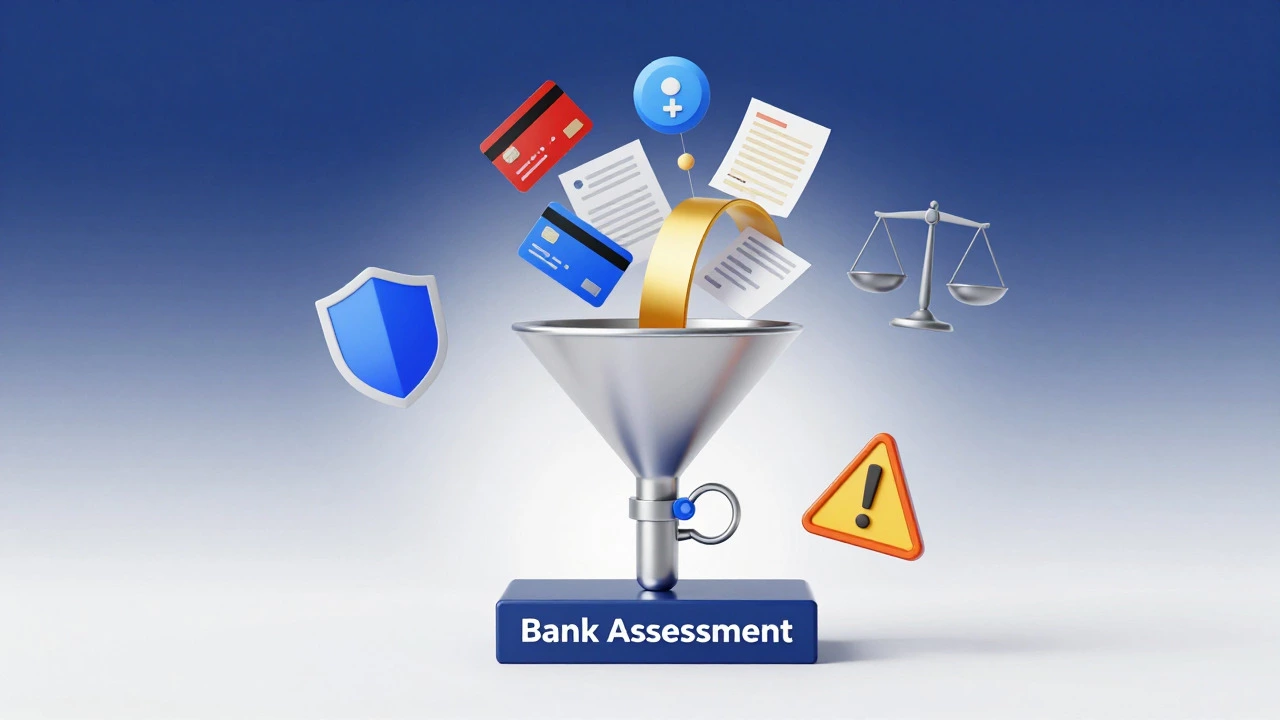
Why Your Bank Might Say No
Rejection happens more often than people expect. Common reasons include:
- Poor Credit History: Recent bankruptcies, foreclosures, or collections accounts signal high risk.
- High Existing Debt: Even with a good job, if your existing debts consume too much of your paycheck, the new loan adds unsustainable pressure.
- Lack of Collateral: Unsecured personal loans rely solely on your creditworthiness. Without assets to secure the loan, the bank takes on more risk.
- Fraud Flags: Applying for multiple loans in a short period triggers hard inquiries and raises red flags about potential fraud or desperation.
If your bank says no, don’t take it personally. It’s a mathematical decision based on risk models. It simply means you need to explore other avenues.
Alternatives to Your Current Bank
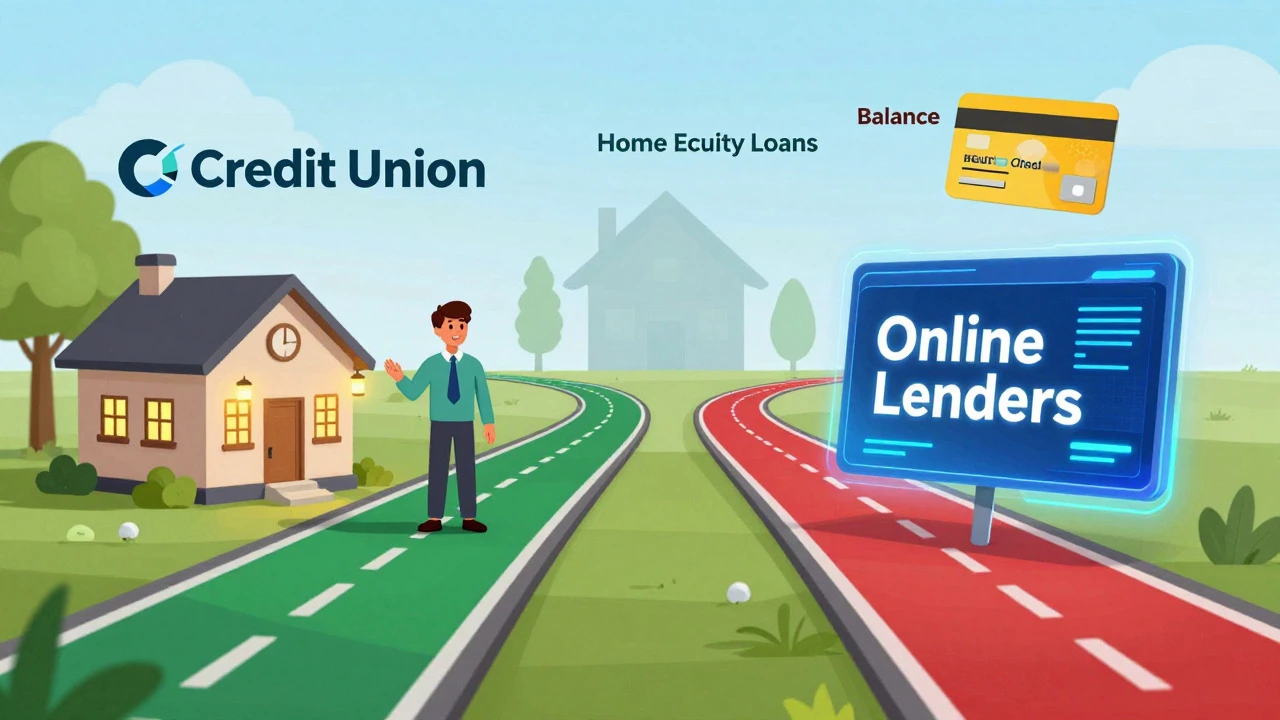
If your primary bank isn’t interested, don’t give up. Other institutions may see value where your bank sees risk.
| Option | Best For | Pros | Cons |
|---|---|---|---|
| Credit Union | Members with average credit | Lower fees, member-focused, flexible underwriting | Membership requirements, smaller loan limits |
| Online Lenders | Quick approval, competitive rates | Fast funding, user-friendly apps, transparent terms | Less personal support, strict automated criteria |
| Balance Transfer Card | Small debts, good credit | 0% introductory APR, no monthly interest during promo | Transfer fees (3-5%), high penalty rates after promo |
| Home Equity Loan | Homeowners with significant equity | Lowest interest rates, tax-deductible interest (sometimes) | Risk of losing home, closing costs, longer process |
Credit unions are often the best alternative. As non-profits, they return profits to members in the form of lower rates and fewer fees. They are also more willing to work with people who have imperfect credit but strong character references or long membership histories.
Online lenders like SoFi, LightStream, or Discover use algorithms to assess risk quickly. They often beat traditional banks on speed and rate transparency. However, they can be rigid; if you don’t meet their digital thresholds, you’re out.
Balance transfer cards are powerful tools if you can pay off the balance within the promotional period (usually 12-21 months). Just watch out for the transfer fee, which eats into your savings.
Hidden Costs and Pitfalls to Avoid
Consolidation isn’t free money. It’s a restructuring tool. Watch out for these traps:
- Origination Fees: Some lenders charge 1-8% of the loan amount upfront. A $20,000 loan with a 5% fee means you receive only $19,000 but owe $20,000 plus interest.
- Prepayment Penalties: Rare today, but some loans charge a fee if you pay off the balance early. Always check the fine print.
- Extended Terms: Stretching a $10,000 debt over seven years instead of three lowers your monthly payment but increases total interest paid. Calculate the total cost, not just the monthly relief.
- Variable Rates: Avoid variable-rate consolidation loans unless you’re confident rates won’t rise. Fixed rates provide predictability.
Also, beware of debt management plans (DMPs) offered by non-profit credit counseling agencies. These aren’t loans. Instead, the agency negotiates lower rates with your creditors and collects one payment from you. It’s a viable option if you can’t qualify for a loan, but it impacts your credit report differently than a consolidation loan.
Steps to Take Before Applying
Don’t rush into an application. Preparation improves your odds and secures better terms.
- Check Your Credit Report: Pull free reports from AnnualCreditReport.com. Dispute any errors. Accuracy matters.
- Calculate Your DTI: Know exactly how much debt you carry versus your income. If it’s high, pay down some balances first.
- Get Pre-Qualified: Many online lenders offer soft-pull pre-qualification. This tells you your rate without hurting your credit score.
- Shop Around: Compare offers from at least three sources: your bank, a credit union, and an online lender.
- Read the Fine Print: Look for hidden fees, prepayment penalties, and rate adjustment clauses.
Is Consolidation Right for You?
Consolidation works best when you combine it with behavioral change. If you consolidate debt but keep spending on credit cards, you’ll end up with more debt than before-a dangerous cycle called "debt stacking."
Ask yourself: Why did I accumulate this debt? Was it an emergency, lifestyle inflation, or lack of budgeting? Address the root cause. Create a budget. Build an emergency fund. Use the consolidated loan strictly to pay off old debts, then cut up the cards or store them away.
If your debt is overwhelming and unmanageable despite consolidation efforts, consider speaking with a certified financial counselor. They can help you explore options like debt settlement or bankruptcy as last resorts. But for most people, a well-structured consolidation loan from a reputable lender is a stepping stone to financial freedom.
Will consolidating debt hurt my credit score?
Initially, yes. Applying for a new loan causes a hard inquiry, which drops your score by a few points. Also, opening a new account lowers your average account age. However, over time, paying off multiple accounts reduces your credit utilization ratio, which is a major factor in scoring. Consistent on-time payments on the new loan will boost your score significantly within 6-12 months.
Can I consolidate federal student loans with my bank?
Technically, yes, but it’s usually a bad idea. Federal student loans offer unique benefits like income-driven repayment plans, forgiveness programs, and deferment options. Private bank loans do not. Only refinance federal loans with a private lender if you have a stable high income, excellent credit, and no need for federal protections.
What is the minimum credit score for debt consolidation?
Most lenders require a minimum FICO score of 580-600 for unsecured personal loans. However, rates for scores below 670 are often prohibitive. To get a competitive rate (under 10%), aim for a score of 700 or higher. Subprime lenders exist but charge very high interest and fees.
Should I use a secured or unsecured consolidation loan?
Unsecured loans are safer because you don’t risk losing assets. Secured loans (like home equity loans) offer lower rates but put your collateral at risk. If you miss payments on a secured loan, you could face foreclosure. Choose secured only if you’re highly disciplined and the rate difference is substantial.
How long does debt consolidation take?
Online lenders can approve and fund loans in 1-3 business days. Traditional banks may take 5-10 days. Home equity loans involve appraisals and title searches, taking 30-45 days. Once funded, you should pay off your old debts immediately to stop interest accrual on those accounts.