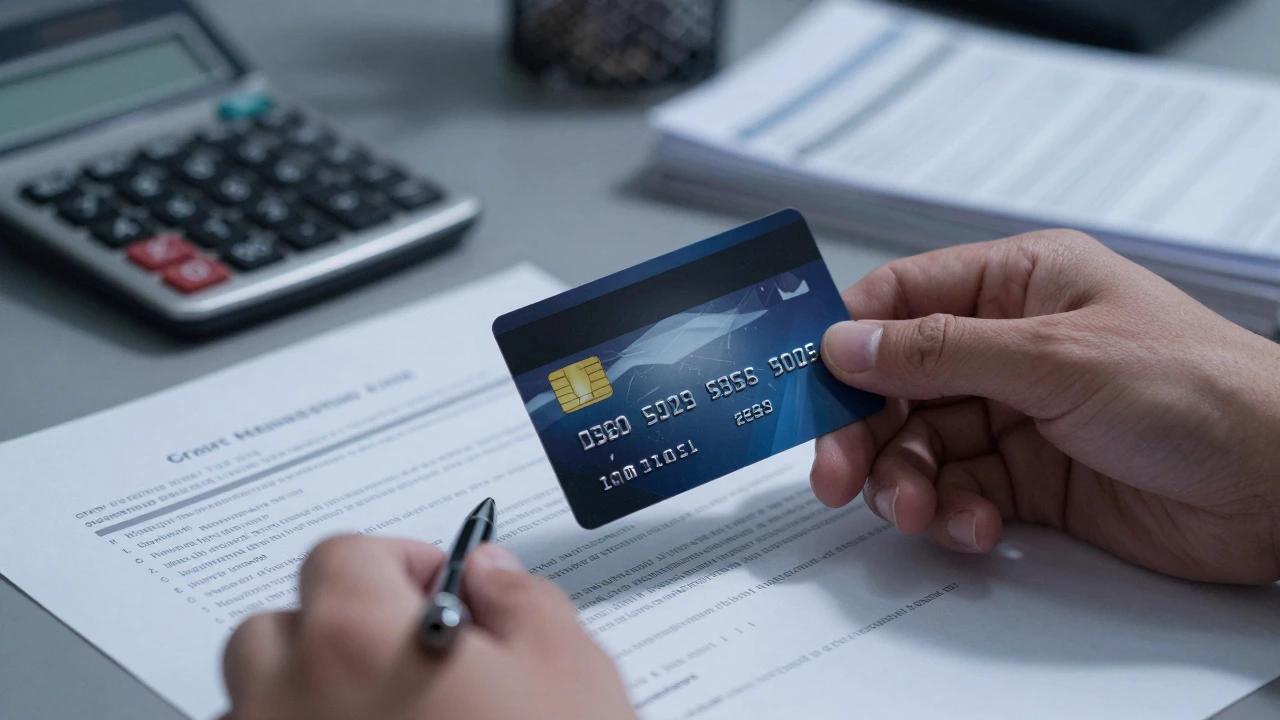
Balance Transfer Cost & Risk Calculator
£0.00
Includes £0.00 fee£0.00
To clear by deadline--
Assessment pendingIf you only manage to pay off 50% of the debt by the end of the promo period, here is what happens to the remaining balance.
You see the ad: 0% APR for 18 months. It looks like free money, right? You can pay off that high-interest medical bill or consolidate your shop tab without racking up more interest. But before you click “Apply,” pause. That zero percent isn’t a gift; it’s a marketing hook designed to get your signature. The real cost hides in the fine print, specifically in the transaction fee and the cliff-edge deadline.
A balance transfer allows you to move debt from one credit card to another, usually to take advantage of a lower interest rate. While it sounds straightforward, the mechanics involve specific costs that can negate the savings if you aren’t careful. Understanding these hidden layers is crucial to ensuring this tool actually helps you escape debt rather than trapping you in a different kind of trap.
The Transaction Fee: The Immediate Cost
The most common “catch” is the upfront fee. Most issuers charge between 3% and 5% of the total amount you transfer. This isn’t an optional add-on; it’s mandatory. If you are moving £5,000 of debt, a 3% fee means you owe an extra £150 immediately. This amount is added to your new balance, so you’re now paying interest (or waiting out the promotional period) on £5,150, not £5,000.
Balance Transfer Fees are charges applied by credit card issuers when moving debt from one account to another, typically ranging from 3% to 5% of the transferred amount. Some cards offer a flat fee structure instead, such as £30 per transfer, but percentage-based fees are standard. Always calculate this first. If your debt is small, a flat fee might be better, but for larger sums, the percentage adds up quickly. A pro tip: never assume the fee is waived just because the interest is zero. Read the terms and conditions specifically under “Fees” or “Pricing.”
The Promotional Period Cliff
The second major pitfall is the time limit. When a card offers 0% APR, it is almost always for a fixed duration-12, 18, or 24 months. Once that period ends, the remaining balance doesn’t stay at 0%. It jumps back to the card’s standard variable rate, which is often significantly higher than the rate on your original card.
This creates a dangerous scenario known as the “cliff edge.” Imagine you have 18 months to pay off your debt. If you only manage to pay down half of it by month 17, the other half suddenly becomes subject to a potentially 20%+ interest rate. Worse, many issuers apply this new interest retroactively to the entire unpaid balance from the day the promotion started. This means you could end up paying interest on the money you’ve already paid off during the promo period, effectively wiping out your savings.
- Check the start date: Does the clock start when you apply, when the card arrives, or when you make the first transfer?
- Calculate the monthly payment: Divide your total debt (including fees) by the number of months in the promo period. Aim to pay slightly more to build a buffer.
- Set alerts: Use your phone calendar to remind you three months before the promo ends so you can finalize your payoff plan.

Credit Score Impact and Approval Odds
Applying for a new credit card involves a hard inquiry on your credit report. This can temporarily dip your score by a few points. More importantly, getting approved for a balance transfer card with a low introductory rate often requires good to excellent credit. If your credit score has dropped due to the very debt you’re trying to move, approval might be difficult, or you might only qualify for a card with a higher fee or shorter promo period.
Credit Score is a numerical representation of your creditworthiness based on your credit history, used by lenders to assess risk. Before applying, check your score. If it’s borderline, consider building it up first or looking at secured cards, though these rarely offer 0% intro rates. Also, keep in mind that opening a new card increases your total available credit, which can help your utilization ratio, but only if you don’t max out the new card immediately.
Behavioral Traps: New Debt Accumulation
The psychological aspect is perhaps the biggest catch. When you move debt to a 0% card, the old card still exists. It’s empty, but it’s there. Many people fall into the habit of using their old, high-interest card again for daily purchases because they think, “I’m safe now, my big debt is handled.”
This leads to a dual-debt situation. You’re paying off the transferred balance slowly while racking up new charges on the old card at full interest. Now you have two debts instead of one. To avoid this, put the old card in a drawer, freeze it, or cancel it entirely once the transfer is complete. Treat the new card strictly as a repayment vehicle, not a spending tool. Every pound spent on the 0% card eats into the principal you should be paying down.
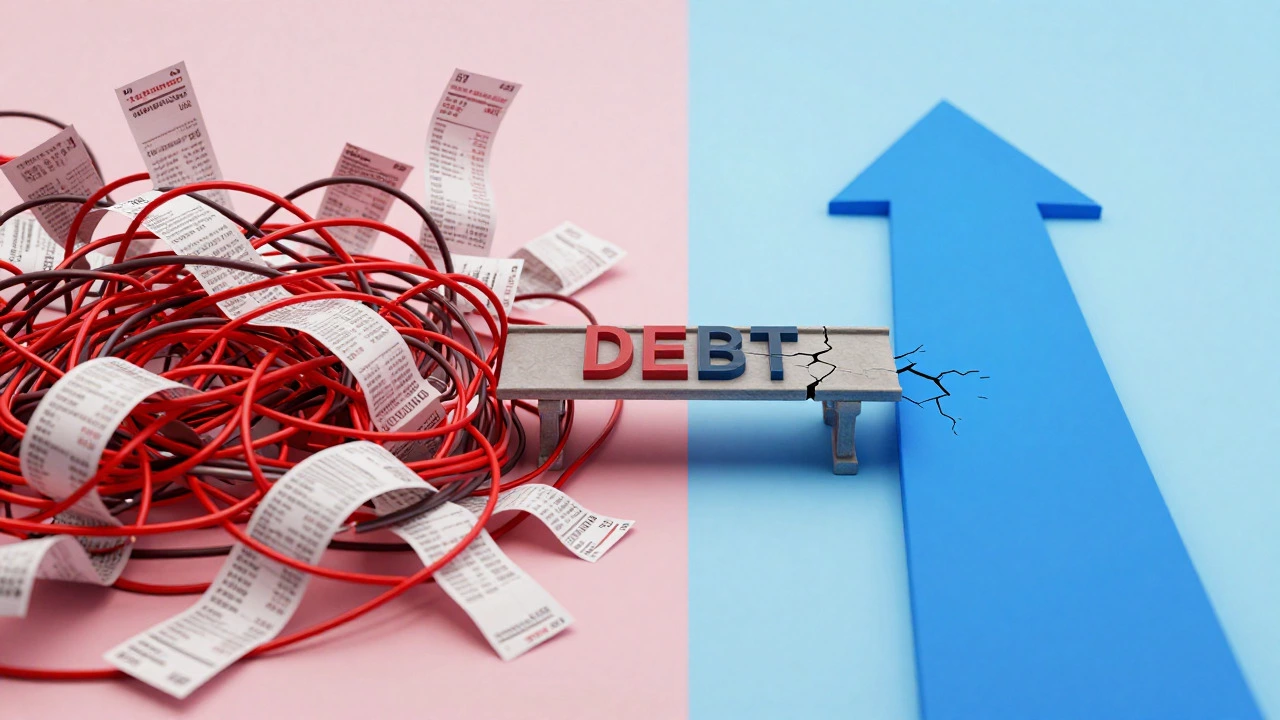
Comparison: Balance Transfer vs. Personal Loan
Is a balance transfer always the best option? Not necessarily. Sometimes, a personal loan makes more sense. Here is how the two compare in typical scenarios.
| Feature | Balance Transfer Card | Personal Loan |
|---|---|---|
| Interest Rate | 0% for 12-24 months, then variable | Fixed rate for the term (e.g., 5-10%) |
| Upfront Fees | 3-5% of transferred amount | Often 0-1% origination fee |
| Repayment Term | Flexible, but tied to promo period | Fixed schedule (e.g., 3-5 years) |
| Credit Check Type | Hard inquiry | Hard inquiry |
| Best For | Short-term payoff, high-interest credit card debt | Larger amounts, longer timelines, lower monthly payments |
If you can pay off your debt within 18 months, the balance transfer usually wins because you pay no interest at all. However, if you need three or four years to clear the debt, a personal loan with a fixed 6% rate might cost less overall than a balance transfer that reverts to 19% after year two. Run the numbers for both options before deciding.
How to Execute a Safe Balance Transfer
If you decide to proceed, follow this checklist to minimize risk:
- Calculate the Total Cost: Add the 3-5% fee to your current debt. This is your new target number.
- Determine Your Payment Capacity: Look at your budget. How much can you comfortably pay monthly? Multiply that by the number of months in the promo period. Is it enough to cover the new target number?
- Choose the Right Card: Look for the longest promo period with the lowest fee. Avoid cards with high annual fees unless the savings justify it.
- Execute the Transfer: Apply online for speed. Make sure the transfer happens within the window specified by the issuer (usually 30 days).
- Automate Payments:** Set up auto-pay for the minimum amount plus a buffer. Better yet, set it to pay the calculated monthly amount needed to clear the debt by the deadline.
- Monitor Closely:** Check your statements each month to ensure the interest is truly 0% and no unexpected fees appear.
By treating the balance transfer as a strict financial operation rather than a casual convenience, you strip away the emotional traps. It’s a tool, and like any tool, it works best when used with precision and awareness of its limitations.
Does a balance transfer hurt my credit score?
Yes, slightly. Applying for the new card triggers a hard inquiry, which can lower your score by a few points temporarily. However, if you use the transfer to reduce your overall credit utilization, your score may improve in the long run once you start making consistent payments.
Can I do multiple balance transfers on one card?
Usually, yes, but the promotional rate often applies only to the first transfer. Subsequent transfers might incur the standard fee and may not enjoy the 0% APR benefit. Always check the specific terms of your card agreement.
What happens if I don't pay off the balance before the promo ends?
The remaining balance will be subject to the card's standard variable interest rate. In some cases, interest may be charged retroactively from the start of the promotional period, which can significantly increase your total debt.
Are there any balance transfers with no fee?
Rarely. Most reputable issuers charge a fee to offset the cost of offering 0% interest. Be wary of offers that seem too good to be true; they may have hidden annual fees or very short promotional periods.
Should I cancel my old credit card after a balance transfer?
It depends. If you struggle with impulse spending, canceling or freezing the old card prevents new debt accumulation. If you want to maintain your credit history length, keeping it open with a $0 balance can be beneficial. Just make sure you don't use it for purchases.