
Personalized Budget Strategy Matcher
Answer these four questions to find the budgeting strategy that aligns with how your brain works.
Your Recommended Strategy:
Why this fits you:
Quick Start Guide
Most people don’t fail at budgeting because they can’t do math. They fail because they pick a method that fights against how their brain actually works. You might be trying to force yourself into a rigid spreadsheet when you’d thrive with simple envelopes, or vice versa. The "best" strategy isn’t a universal law; it’s the one you will actually stick to when life gets messy.
In Dublin, where rent costs and grocery prices have shifted significantly over the last few years, a static plan from 2019 won’t cut it. You need a system that accounts for variable income, unexpected repairs, and the reality of modern spending habits. This guide breaks down the most effective frameworks so you can match a method to your personality type.
Why does my budget always fall apart by mid-month?
Usually, it’s because the budget was too restrictive or didn’t account for irregular expenses. If you only budgeted for fixed bills but ignored monthly subscriptions, occasional dining out, or seasonal costs like Christmas shopping, you’ll run out of buffer money. A good budget includes every euro you earn, not just the big bills.
The Zero-Based Budget: For the Detail-Oriented Planner
If you get satisfaction from seeing numbers balance to exactly zero, this is likely your sweet spot. Zero-based budgeting is a method where every single unit of currency is assigned a specific job before the month begins. It doesn’t mean you spend all your money; it means your income minus your expenses equals zero. Every euro has a name tag.
This approach forces you to confront your spending priorities head-on. You aren’t left wondering where the money went because you told it where to go. It’s particularly useful if you have complex financial goals, like paying off multiple debts while saving for a house deposit.
- Step 1: List your total take-home pay for the month.
- Step 2: List all fixed expenses (rent, utilities, loan payments).
- Step 3: Allocate funds for variable expenses (groceries, transport, fun).
- Step 4: Assign remaining money to savings or debt repayment.
- Step 5: Adjust categories until the total allocated equals your income.
The downside? It takes time. If you hate tracking data, this method will feel like a second job. But for those who crave control, the peace of mind is worth the effort.
The 50/30/20 Rule: For the Minimalist
Sometimes, less is more. The 50/30/20 rule is a simplified budgeting framework created by Senator Elizabeth Warren that divides income into three broad buckets. It removes the need to track every coffee purchase and focuses on high-level balance.
| Category | Percentage | Examples |
|---|---|---|
| Needs | 50% | Rent, groceries, utilities, minimum debt payments, basic transport. |
| Wants | 30% | Dining out, hobbies, streaming services, vacations, new clothes. |
| Savings/Debt | 20% | Emergency fund contributions, extra debt payments, retirement savings. |
This works well if your income is stable and your living costs are moderate. However, in high-cost areas like Dublin city center, housing alone might eat up 60% of your salary. In that case, you might need to adjust the ratios-perhaps 60/20/20-and accept that your "wants" category shrinks. The key is maintaining the proportionality between needs, wants, and future security.
The Cash Envelope System: For the Visual Spender
Do you swipe your card without thinking? The Cash envelope system is a physical budgeting method where you withdraw cash for variable spending categories and place it in labeled envelopes. When the envelope is empty, you stop spending in that category. No exceptions.
This creates a visceral connection to money. Pulling a €5 note from an envelope feels different than tapping a card. It triggers a psychological pause that digital transactions often bypass. Many people find this incredibly effective for controlling discretionary spending like eating out or impulse buys.
You don’t have to go fully analog. Hybrid approaches work too. Keep fixed bills on autopay via direct debit, but use cash (or a dedicated prepaid card) for groceries and entertainment. The goal is to create friction around spending that tends to creep up unnoticed.

The Pay-Yourself-First Method: For the Automatic Saver
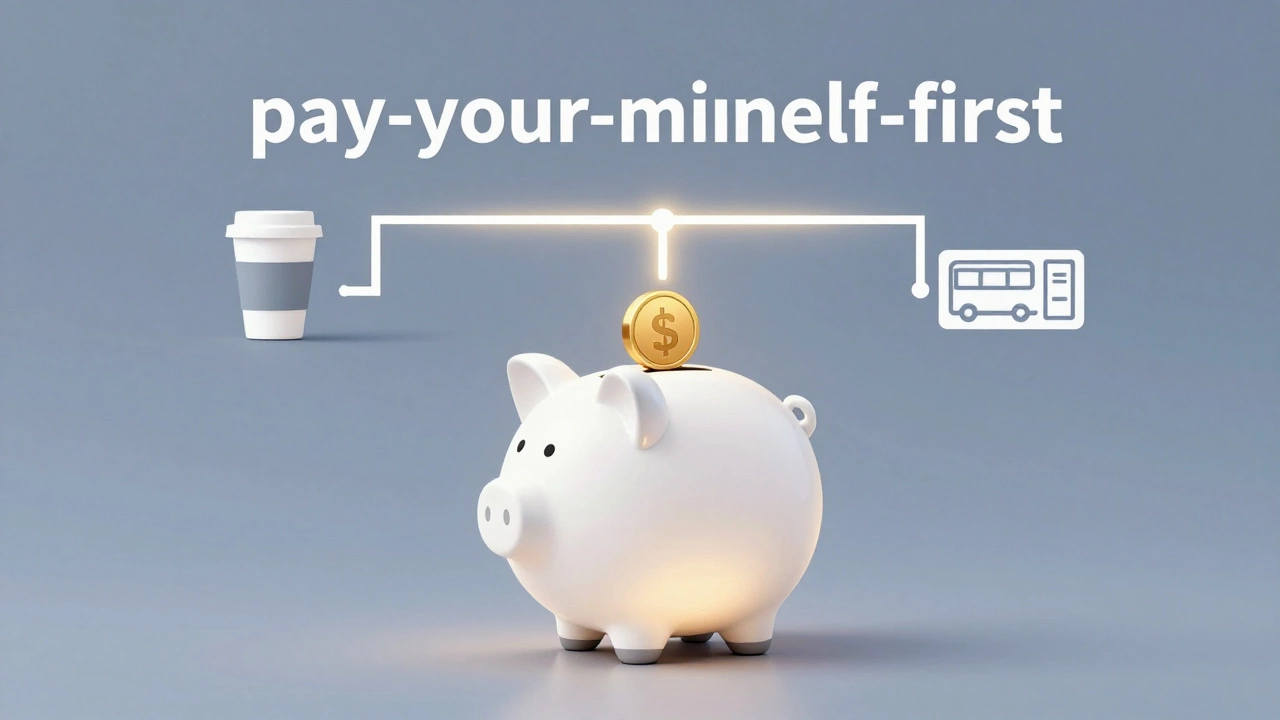
Some people struggle with discipline, so why rely on it? The Pay-yourself-first method is a reverse budgeting technique where savings and investments are automated immediately upon receiving income. You live on whatever is left over.
Here’s how it looks in practice:
- Set up an automatic transfer to your savings or investment account for payday.
- Pay your fixed bills automatically.
- Spend the remainder guilt-free.
How to Choose Your Strategy
There’s no single winner. Your choice depends on your current financial health and personality traits. Ask yourself these questions:
- Am I overwhelmed by details? Try the 50/30/20 rule.
- Do I overspend on small things? Try the Cash Envelope system.
- Do I want precise control? Try Zero-Based Budgeting.
- Do I forget to save? Try Pay-Yourself-First.
You can also mix methods. Use zero-based budgeting for your main checking account to allocate funds, then use cash envelopes for your discretionary spending. Flexibility is the secret sauce. If a method feels painful after two months, tweak it. Don’t abandon it entirely unless it’s fundamentally incompatible with your lifestyle.
Common Pitfalls to Avoid
Even the best strategy fails if you ignore these traps:
- Ignoring irregular expenses: Car insurance, annual subscriptions, or holiday gifts come once a year but cost hundreds. Set aside a small amount each month in a sinking fund.
- Being too rigid: Life happens. Build a "miscellaneous" or "buffer" category to absorb surprises without derailing your whole plan.
- Not reviewing regularly: A budget isn’t set-and-forget. Review it weekly for five minutes to adjust for upcoming changes.
- Comparing yourself to others: Your 50% needs might look different from someone else’s. Focus on your own progress, not social media highlights.
Tools That Help
You don’t need fancy software, but the right tool reduces friction. Popular options include:
- Spreadsheets: Free, customizable, great for zero-based budgets.
- Budgeting Apps: Mint, YNAB (You Need A Budget), or Monarch Money automate tracking and categorization.
- Banking Apps: Many Irish banks now offer built-in budgeting dashboards that categorize spending automatically.
Final Thoughts
The best budgeting strategy is the one you use consistently. Start simple. Pick one method, try it for three months, and evaluate. Did it reduce stress? Did it help you save? If yes, keep going. If no, pivot. Financial freedom isn’t about perfection; it’s about direction. You’re not managing money-you’re managing your life. Let your budget reflect what truly matters to you.
Is zero-based budgeting better than the 50/30/20 rule?
It depends on your needs. Zero-based budgeting offers granular control and is ideal for debt payoff or tight margins. The 50/30/20 rule is faster and easier to maintain, making it better for long-term sustainability if you’re not in crisis mode. Neither is objectively superior; they serve different purposes.
How much should I save in an emergency fund?
Aim for 3 to 6 months of essential living expenses. If you have dependents or unstable income, lean toward 6 months. Store this in a high-yield savings account separate from your daily checking to avoid temptation.
Can I use multiple budgeting strategies at once?
Absolutely. Many people combine methods. For example, use zero-based budgeting to allocate income, then apply the cash envelope system for discretionary categories like dining and entertainment. Hybrid approaches often yield the best results for complex lifestyles.
What if my income varies each month?
Base your fixed expenses on your lowest expected monthly income. Any extra income goes directly to savings, debt repayment, or sinking funds. This prevents overspending during high-income months and protects you during low ones.
How often should I review my budget?
Review it weekly for quick adjustments and monthly for deeper analysis. Weekly checks help you catch overspending early. Monthly reviews allow you to assess trends, update goals, and prepare for next month’s known expenses.