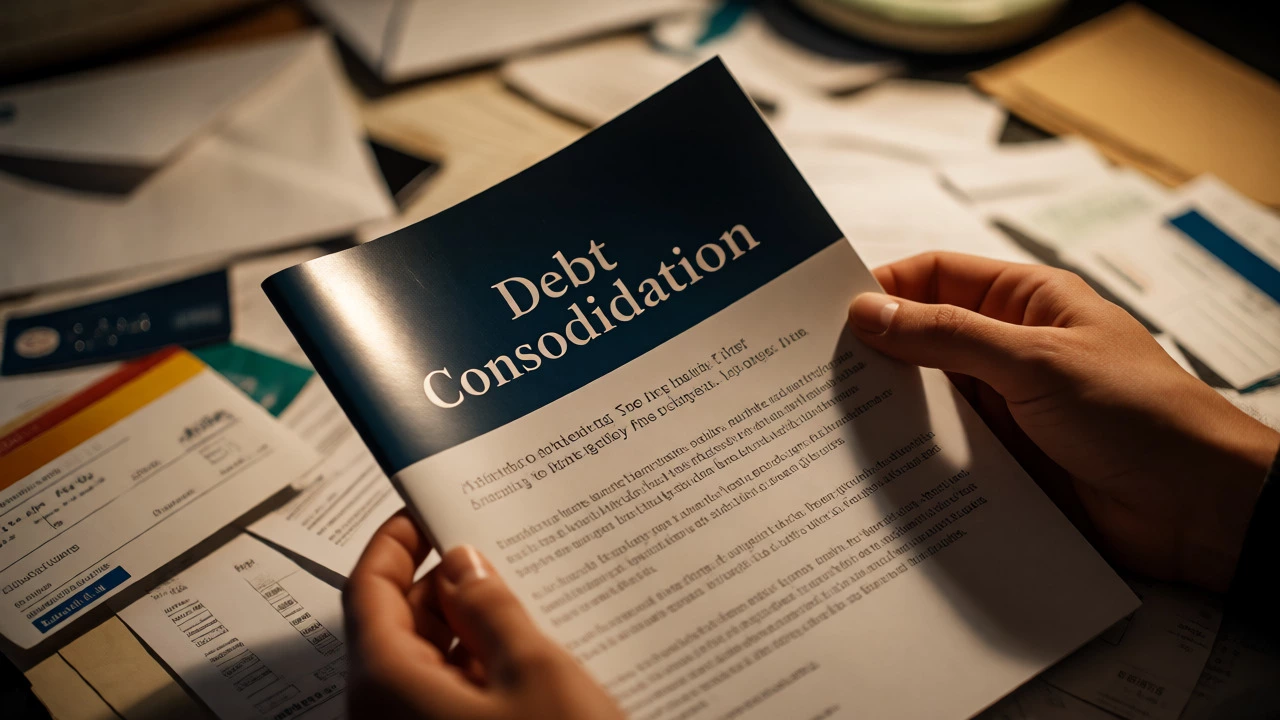
Debt Consolidation Reality Check
Enter your current debt details and proposed consolidation terms to see if the "lower monthly payment" is actually saving you money or just stretching out your debt.
Monthly Payment
Total Amount Paid
Interest + Fees Impact
You’ve heard the pitch: consolidate your messy pile of bills into one neat monthly payment. It sounds like a financial rescue plan, doesn’t it? One lower interest rate, one due date, and suddenly you’re back in control. But here’s the uncomfortable truth that lenders often gloss over in their glossy brochures: debt consolidation is not magic. It’s a restructuring tool. And if you use it incorrectly-or even correctly but without discipline-it can actually make your financial situation worse.
Why would anyone argue against simplifying their life? Because the psychological trap of "resetting" your debt clock can lead to deeper holes. You might trade high-interest credit card debt for a long-term personal loan with fees that eat away at your savings. Or you might feel so relieved by having available credit lines again that you start spending right after paying off the old balances. This isn't just theory; it’s a pattern seen in countless households where the "solution" becomes part of the problem.
The Hidden Cost of Lower Monthly Payments
Let’s look at the math. The biggest selling point of consolidation is usually a lower monthly payment. That feels great when you’re staring at a budget spreadsheet. But how do they achieve that lower number? Often, by stretching out the repayment term. If you take a two-year payoff plan on your credit cards and turn it into a five-year personal loan, your monthly bill drops. But you’re now paying interest for three extra years.
Imagine you owe €5,000. At a 18% APR on a credit card, you might pay it off in 24 months with total interest costs around €900. If you consolidate that into a 5-year loan at 10%, your monthly payment drops significantly. But because you’re borrowing for longer, the total interest paid could jump to over €1,300. You saved cash flow this month, but you lost money overall. This is the first major negative effect: increased total cost of debt. Always calculate the total amount you will pay back, not just the monthly figure.
Fees That Eat Your Savings
Consolidation isn’t free. Depending on the method you choose, there are upfront costs that reduce the benefit of a lower interest rate. These aren’t always obvious in the headline rate.
- Origination Fees: Many personal loans charge an origination fee, typically between 1% and 8% of the loan amount. On a €10,000 loan, an 8% fee means you only receive €9,200 but still owe €10,000 plus interest. That’s a significant hit before you even make your first payment.
- Balance Transfer Fees: If you’re moving credit card debt to a new card with a 0% intro APR, expect a balance transfer fee, usually 3% to 5%. While often worth it, these fees add up if you’re moving large amounts or multiple accounts.
- Closing Costs: If you’re using a home equity loan or line of credit (HELOC) to consolidate, you’ll face appraisal fees, title searches, and closing costs similar to buying a house. These can run into thousands of euros, making small consolidations financially pointless.
If you don’t account for these fees in your comparison, you might think you’re saving money when you’re actually breaking even or losing ground.
The Credit Score Dip and Recovery Trap
People often assume that getting rid of debt automatically boosts their credit score. In the short term, the opposite often happens. When you apply for a consolidation loan, the lender performs a hard inquiry on your credit report. This can drop your score by a few points immediately.
More importantly, opening a new installment loan while closing old revolving credit accounts changes your credit mix and average age of accounts. If you close your old credit cards after paying them off, you lose that history. A shorter credit history can negatively impact your score. Furthermore, if you struggle to keep up with the new payments, late marks on a consolidated loan can be more damaging than scattered late payments on smaller cards because the principal balance is larger.
There’s also the risk of default. If you miss payments on a secured consolidation loan (like a home equity loan), you could lose your home. With unsecured debt, you damage your credit; with secured debt, you risk your asset. The stakes are higher once you’ve consolidated.
The Psychological Rebound Effect
This is perhaps the most dangerous negative effect, yet it’s rarely discussed in financial calculators. It’s called the "rebound effect." When you consolidate your credit card debt into a loan, your credit card balances go to zero. Suddenly, those cards have available credit again. For many people, this triggers a psychological release. They feel lighter, freer, and less burdened.
And then they spend. They use the newly freed-up credit lines for vacations, shopping, or emergency expenses they didn’t anticipate. Six months later, they have the original consolidation loan payment plus new credit card debt. Now, their total monthly obligations are higher than they were before they started. This cycle-consolidate, clear, spend, re-accumulate-is why some experts say debt consolidation works best as a last resort, paired with strict behavioral changes.
Loss of Flexibility and Negotiation Power
When you have multiple debts, you have options. You can negotiate with different creditors. You can prioritize paying off the highest interest rate first (the avalanche method) or the smallest balance first (the snowball method). You can stop using certain cards entirely.
Once you consolidate, you lock yourself into a single contract with fixed terms. You lose the ability to negotiate individual settlements if you hit hard times. If you fall behind on a consolidated loan, you can’t easily renegotiate just one piece of it. You’re bound by the lender’s rules. Additionally, if you want to pay off the loan early, check for prepayment penalties. Some lenders charge fees for early repayment, which negates the benefit of clearing debt quickly.

Comparing Consolidation Options and Their Downsides
Not all consolidation methods carry the same risks. Here’s a quick breakdown of common types and their specific negative effects.
| Method | Primary Negative Effect | Risk Level |
|---|---|---|
| Personal Loan | Origination fees and extended repayment terms increase total interest paid. | Moderate |
| Balance Transfer Card | High post-promotional rates and balance transfer fees; temptation to overspend. | High |
| Home Equity Loan | Puts your home at risk; high closing costs; slow approval process. | Very High |
| Debt Management Plan | Requires closing credit accounts; may incur setup/monthly fees; affects credit mix. | Low-Moderate |
Who Should Avoid Debt Consolidation?
Debt consolidation isn’t for everyone. You should likely avoid it if:
- Your debt is mostly student loans: Federal student loans often come with income-driven repayment plans and forgiveness options that private consolidation loans strip away. Don’t consolidate federal loans unless you fully understand what benefits you’re losing.
- You lack a budget: If you don’t know where your money goes each month, consolidation won’t fix the root cause. You’ll just accumulate new debt.
- You need immediate relief from collectors: Consolidation takes time to arrange. If you’re being sued or harassed, you might need a debt settlement or bankruptcy consultation instead.
- Your credit score is too low: If your score is below 600, you might qualify for a consolidation loan, but the interest rate will be so high that it defeats the purpose. You might end up paying more than you currently do.
How to Mitigate the Negatives
If you decide to proceed, you can minimize the downsides. First, shop around. Compare the Annual Percentage Rate (APR), not just the interest rate. APR includes fees. Second, read the fine print for prepayment penalties. Third, freeze your credit cards. Literally cut them up or leave them at home. Use cash or a debit card for daily spending until the loan is paid off. Fourth, automate payments to ensure you never miss a due date, protecting your credit score.
Remember, debt consolidation is a tool, not a cure. It addresses the symptom (multiple payments) but not the disease (spending habits or income issues). If you treat it as a fresh start without changing your behavior, you’re setting yourself up for round two.
Does debt consolidation hurt my credit score permanently?
No, not permanently. There is usually a temporary dip due to hard inquiries and changes in credit mix. However, if you make consistent on-time payments on the new loan, your score should recover and potentially improve within 6 to 12 months as your utilization ratio drops.
Can I lose my house if I use a home equity loan for consolidation?
Yes. Home equity loans and HELOCs are secured by your property. If you fail to make payments, the lender has the right to foreclose on your home to recover the funds. This is a significant risk compared to unsecured personal loans.
Is it better to pay off debt myself or consolidate?
It depends on your discipline and interest rates. If you can secure a significantly lower APR and stick to a strict budget, consolidation saves money. If you struggle with overspending, paying off debt yourself (using the avalanche or snowball method) keeps you accountable and avoids fees and extended terms.
What is the rebound effect in debt consolidation?
The rebound effect occurs when borrowers, relieved by having cleared their old debts, begin using their newly available credit lines again. This leads to accumulating new debt alongside the consolidation loan, resulting in higher total monthly payments than before.
Are there tax implications for debt consolidation?
Generally, no. Interest paid on personal consolidation loans is not tax-deductible. However, if you use a home equity loan specifically to buy, build, or substantially improve your home, the interest might be deductible under certain conditions. Consult a tax professional for your specific situation.