Credit Card Minimum Payment Trap Calculator
Enter your current balance and interest rate to see exactly how the "minimum payment trap" affects your wallet compared to a strategic fixed payment.
Your Debt Details
The Cost of Waiting
Suggested Fixed Monthly Payment:
--
This amount clears your debt in ~2 years while significantly reducing interest costs compared to the minimum.
Enter your details and click Calculate to see the difference.
You just got your statement. You see the total balance and the "minimum payment due." It looks manageable-maybe €50 or €100. You pay it, feel relieved, and move on with your life. But here is the uncomfortable truth: that small payment is likely keeping you in a cycle of debt for years, maybe even decades. The biggest credit card trap isn't high fees or confusing rewards points. It is the psychological comfort of the minimum payment.
Most people think they are managing their finances well because they never miss a deadline. They check the box. They stay "in good standing." But being in good standing doesn't mean you are actually paying off what you owe. In fact, if you only ever pay the minimum, you might be paying three or four times the original purchase price in interest alone. Let’s break down why this happens, how banks design these traps, and exactly how to escape them before they eat your future savings.
The Math Behind the Minimum Payment Illusion
Banks don’t set minimum payments arbitrarily. They calculate them to maximize interest revenue while ensuring you keep borrowing. Typically, the minimum payment is either a fixed amount (like €25) or a percentage of your balance (often 1% to 3%), plus any accrued interest and fees. This structure is designed so that most of your payment goes toward interest, not the principal debt.
Minimum Payment is the smallest amount you must pay by the due date to avoid late fees and negative credit reporting. While it protects your credit score, it does little to reduce your actual debt burden. For example, on a €1,000 balance at 24% APR, a typical minimum payment might start around €30-€40. Of that, €20 might go straight to interest, leaving only €10-€20 to chip away at the €1,000 you borrowed.
This creates a snowball effect in reverse. As long as you carry a balance, you are charged interest daily. If you add new purchases, your balance grows faster than you can pay it down. Many consumers don’t realize that once you carry a balance, you lose the grace period. That means every new coffee or grocery run starts accruing interest immediately, rather than waiting until the next statement closes.
Why We Fall Into the Trap
It’s not just about math; it’s about psychology. Behavioral economists call this "present bias." We prioritize immediate relief over long-term costs. Paying €30 today feels easy. Paying €300 to clear the debt feels painful. So we choose the path of least resistance.
- Sticker Shock Avoidance: Seeing a large payoff number scares us. Small numbers feel safe.
- False Sense of Security: Making the minimum payment makes us feel responsible, even when we’re digging a deeper hole.
- Complexity Fatigue: Understanding compound interest takes effort. Banks make the minimum payment option prominent and simple, hiding the complexity behind fine print.
In Ireland, where average credit card limits have risen alongside inflation pressures, many households rely on cards for cash flow management. When salaries don’t stretch far enough, cards bridge the gap. But without a plan to close that gap, the bridge becomes a toll road that charges you every time you cross it.
Real-World Example: The €2,000 Balance Scenario
Let’s look at concrete numbers. Imagine you charge €2,000 on a credit card with an annual percentage rate (APR) of 22%. This is a common rate for standard Irish consumer cards from providers like Bank of Ireland, AIB, or Ulster Bank.
| Strategy | Monthly Payment | Time to Pay Off | Total Interest Paid | Total Cost |
|---|---|---|---|---|
| Minimum Only | ~€60 (decreasing) | ~15 years | ~€1,800 | ~€3,800 |
| Fixed €100/month | €100 | ~2.5 years | ~€550 | ~€2,550 |
| Aggressive Payoff | €200 | ~1 year | ~€230 | ~€2,230 |
Notice the difference? By simply increasing your payment from the minimum to a fixed €100, you save nearly €1,250 in interest and cut your repayment time by more than a decade. This isn’t theoretical. This is how compound interest works against you when you ignore it.
Hidden Fees and Introductory Rate Traps
While minimum payments are the main culprit, other traps exacerbate the problem. One common issue is the introductory APR offer. Banks lure customers with 0% interest for 12 months on purchases or balance transfers. Sounds great, right?
But watch out for two things:
- The Cliff Effect: After the promo period ends, the interest rate jumps to the standard APR (often 20-25%). If you haven’t paid off the balance, you’re hit with high interest on the remaining amount.
- Deferred Interest: Some store cards or specific promotions use deferred interest. If you don’t pay the full balance by the end of the promo period, you get charged interest retroactively from day one. Not just on the remaining balance, but on the entire original amount.
Always read the terms and conditions. Look for phrases like "interest-free" versus "deferred interest." The distinction can cost you hundreds of euros.
How to Escape the Cycle
Breaking free requires shifting your mindset from "making payments" to "eliminating debt." Here’s a practical approach used by financial advisors in Dublin and beyond:
1. Calculate Your Real Payment
Don’t just glance at the minimum. Use an online credit card calculator. Input your current balance, interest rate, and target payoff date (e.g., 24 months). See what monthly payment gets you there. Often, it’s only slightly higher than the minimum but drastically reduces interest.
2. Stop Adding New Charges
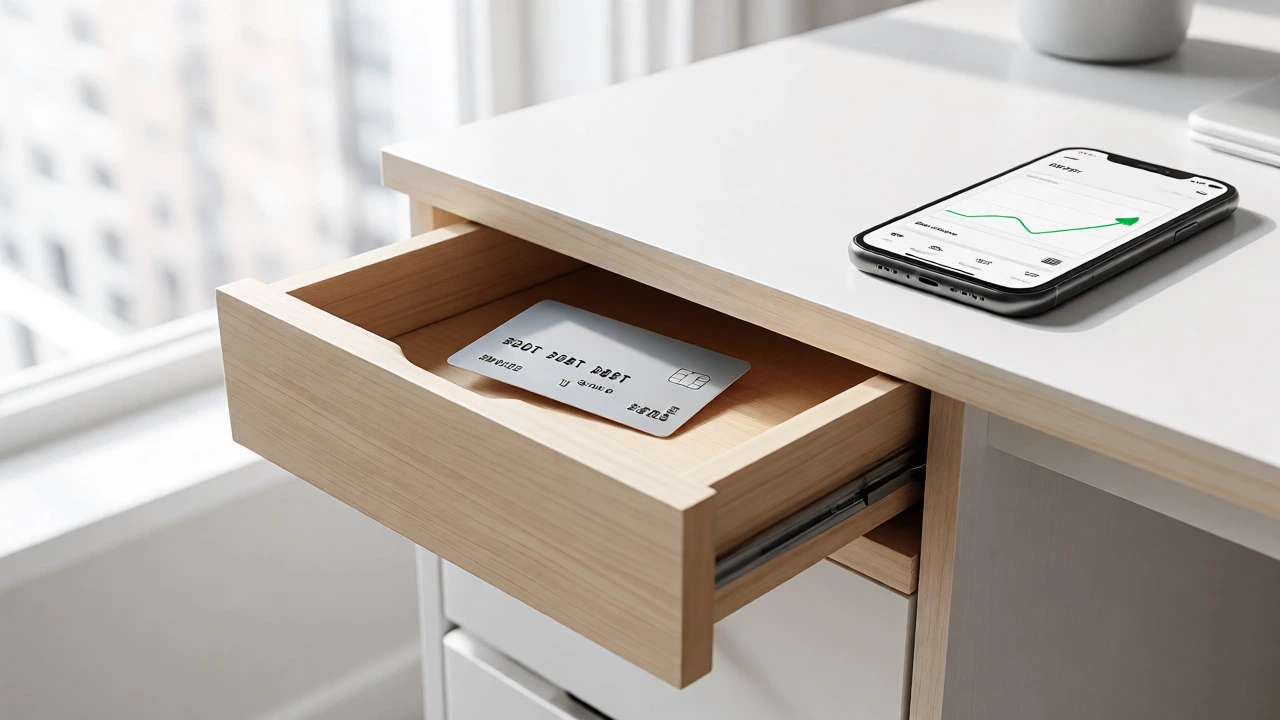
Put the card in a drawer. Literally. Studies show that physical distance reduces impulse spending. If you need to use the card for emergencies, define what an emergency is beforehand. A broken boiler counts. A weekend trip to Galway does not.
3. Use the Avalanche Method
If you have multiple cards, focus on the one with the highest interest rate first. Pay minimums on others, but throw all extra cash at the highest-rate card. Once it’s gone, roll that payment into the next highest. This saves the most money over time.
4. Consider a Balance Transfer
If you have good credit, transferring your balance to a card with a 0% introductory APR for 12-18 months can give you breathing room. Just ensure the transfer fee (usually 3-5%) is worth the interest savings. And remember: you must pay off the transferred amount before the promo ends.
Maintaining Healthy Credit Habits
Avoiding the trap doesn’t mean avoiding credit cards entirely. Used correctly, they offer fraud protection, rewards, and convenience. The key is treating them like debit cards. If you wouldn’t buy it with cash, don’t put it on the card.
Set up autopay for the full statement balance, not the minimum. Most Irish banks allow this easily via their apps. This ensures you never pay interest if you’re within the grace period. Check your utilization ratio too. Keeping your balance below 30% of your limit helps maintain a healthy credit score, which matters when you apply for mortgages or car loans later.
Is it better to pay the minimum or the full balance?
Paying the full balance is always better financially. It prevents interest charges entirely if you do it every month. Paying the minimum keeps you in debt longer and costs significantly more in interest over time. Only pay the minimum if you absolutely cannot afford more, but aim to increase it as soon as possible.
What happens if I only pay the minimum for years?
You will likely take 10-15 years or more to pay off a modest balance. During this time, you’ll pay thousands in interest, often exceeding the original purchase amount. Additionally, carrying high balances can hurt your credit score by increasing your credit utilization ratio.
Do credit card rewards outweigh the interest costs?
Rarely. Typical rewards are 1-2% cash back. Standard credit card interest rates are 15-25%. Unless you pay the full balance every month, the interest you pay will almost certainly exceed the value of the rewards you earn.
How do I know my exact interest rate?
Check your monthly statement or log into your bank’s online portal. Look for the "Annual Percentage Rate" (APR). Note that rates can vary based on your credit tier and whether you’ve triggered penalty rates due to missed payments.
Should I close old credit cards to avoid temptation?
Closing old cards can lower your average account age and reduce your total available credit, potentially hurting your credit score. Instead, consider freezing the card or removing it from digital wallets to prevent accidental use while keeping the account open.