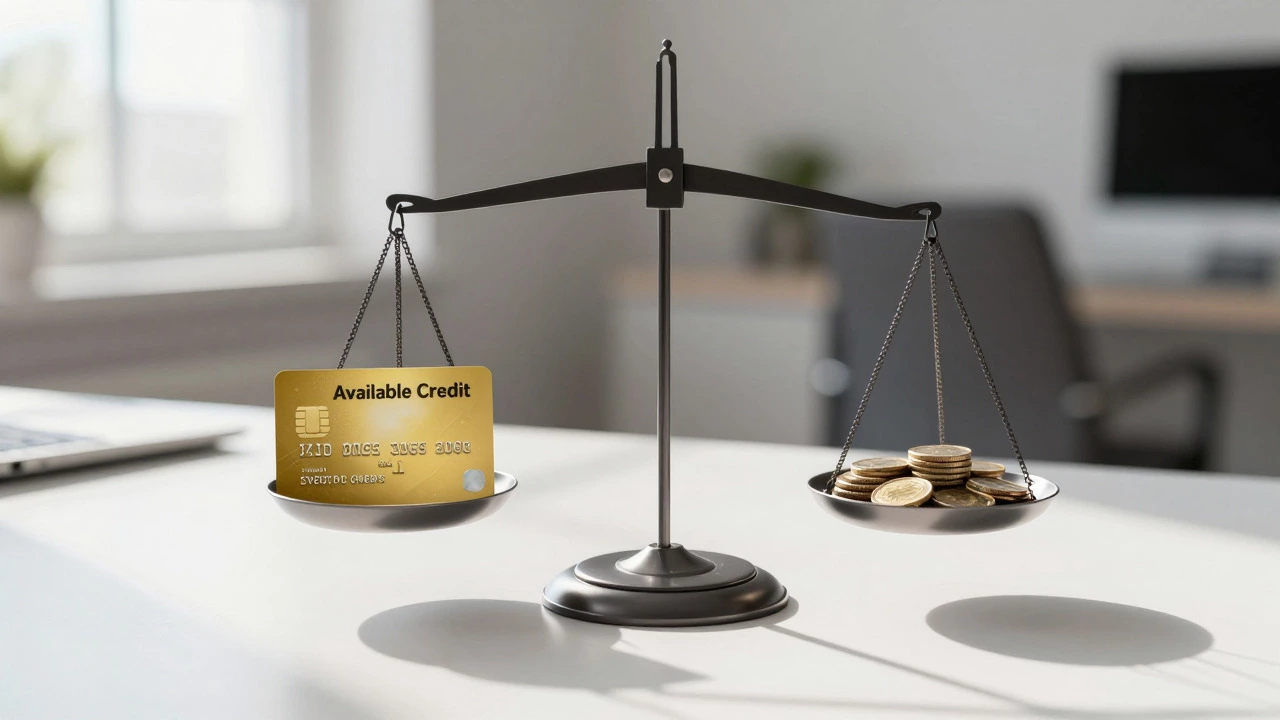
Credit Card Closure Impact Calculator
Your Current Situation
The specific card you are considering closing.
Impact Analysis
Comparison of Keeping vs. Closing
Enter details to see recommendation
Input your credit data above to calculate how closing this account affects your financial health.
You have that old credit card sitting in your drawer. Maybe it was a sign-up bonus you claimed years ago, or perhaps it’s from a bank you no longer use for daily spending. You haven’t swiped it in months, maybe even years. The question nagging at the back of your mind is simple: Is keeping this dormant account open hurting your finances?
The short answer is no. In fact, closing an unused credit card is often worse for your financial health than leaving it alone. But there are exceptions. To make the right call, you need to understand how credit scoring models actually work and what specific levers an open, empty account pulls.
How Unused Cards Help Your Credit Score
Credit scores, particularly the widely used FICO score, are calculated based on five main factors. An unused but open credit card positively impacts two of these major categories: credit utilization and length of credit history.
Credit Utilization Ratio is the amount of credit you’re using compared to the total credit available to you. This factor accounts for about 30% of your FICO score. If you close an old card with a high credit limit, you reduce your total available credit. Even if your balances stay the same, your utilization percentage spikes. For example, if you have $5,000 in debt across two cards with a combined limit of $10,000, your utilization is 50%. If you close one card with a $5,000 limit, your utilization jumps to 100%, which can tank your score significantly.
Average Age of Accounts makes up about 15% of your score. When you keep an old account open, it continues to age. This signals to lenders that you have a long-standing relationship with credit. Closing an old account doesn’t immediately remove it from your report (it stays for ten years if closed in good standing), but it stops contributing to your *active* average age. Over time, as newer accounts dilute the average, that missing veteran account could lower your score more than you expect.
When Keeping an Unused Card Becomes a Problem
While the math generally favors keeping the door open, there are practical reasons why an unused card might become a liability. These aren't about the credit bureaus; they are about your wallet and security.
Annual Fees are the biggest red flag. If your unused card charges an annual fee, you are literally paying money for nothing. Unless the card offers exceptional travel perks or points that outweigh the cost, cancel it immediately. Check your terms carefully; some cards waive fees for the first year, then kick in later.
Inactivity Clauses are another hidden trap. Some issuers reserve the right to close accounts that show no activity for 12 to 24 months. They might do this to reduce risk exposure. If this happens, you lose the benefits mentioned above without warning. To prevent this, set up a small recurring charge-like a streaming subscription or a monthly donation to a charity-to keep the account active. Alternatively, buy a $5 coffee once every few months and pay it off instantly.
Security Risks exist too. Every active account is a potential target for fraud. While liability for unauthorized charges is low thanks to consumer protection laws, dealing with identity theft is a hassle. If the card has a weak security profile or belongs to a issuer with a poor track record, the administrative burden of monitoring it might outweigh the credit score benefit.
The Impact on Credit Inquiries and New Applications
Some people worry that having multiple open lines of credit will look bad when applying for a mortgage or auto loan. Lenders look at your debt-to-income ratio (DTI). Since an unused card has a $0 balance, it does not increase your DTI. It simply adds to your available credit, which is viewed favorably.
Lenders prefer to see stability. A mix of different types of credit (revolving like cards, installment like loans) helps your "credit mix" score, which is a smaller factor at 10%. However, just having the card open doesn't magically improve your mix unless it's a different type than what you already hold. Most standard credit cards fall into the same revolving category.
If you plan to apply for a large loan soon, avoid opening new cards, but definitely don't close old ones. Closing accounts right before a mortgage application can cause a sudden drop in your score due to increased utilization, potentially costing you thousands in interest over the life of the loan.
Comparison: Keep vs. Close
| Factor | Keep Open | Close Account |
|---|---|---|
| Credit Utilization | Increases available credit, lowers utilization % (Good) | Decreases available credit, raises utilization % (Bad) |
| Account Age | Continues to age, boosting average age (Good) | Stops aging; remains on report for 10 years but less impactful |
| Annual Fees | Costs money if fee exists (Bad) | Saves money immediately (Good) |
| Fraud Risk | Higher exposure to potential identity theft | Eliminates risk for that specific account |
| Issuer Relationship | Maintains loyalty status/history with bank | May weaken future pre-approval chances with that bank |
Strategic Steps for Managing Dormant Cards
If you decide to keep the card, you need a strategy to ensure it works for you, not against you. Here is a step-by-step approach:
- Check for Fees: Log in to your online banking portal. Look for any annual fees, maintenance fees, or foreign transaction fees that might apply even if you don't use it internationally. If there is a fee, calculate if the credit score boost is worth the cost. Usually, it isn't.
- Update Personal Info: Ensure your address and phone number are current. Issuers may close accounts if they cannot verify your identity during routine checks.
- Set Up Auto-Pay: Even if you don't use the card, link it to a checking account with zero balance or set up a tiny auto-payment. This prevents accidental late payments if a residual fee appears.
- Monitor Statements: Enable email alerts for any transactions. This way, if fraud occurs, you catch it within days, not weeks.
- Use It Sparingly: As mentioned, use the card once every six months for a small purchase to avoid inactivity closures. Pay it off in full immediately.
Special Considerations for Specific Card Types
Not all credit cards are created equal. The decision to keep or close depends heavily on the type of card you hold.
Retail Store Cards: These often have low credit limits and high interest rates. If you have a store card with a $500 limit and no annual fee, keeping it open adds little to your total credit limit but helps your account age. However, if you have several retail cards, consolidating them by closing the ones with the lowest limits might simplify your life without significantly hurting your utilization, provided you have other strong cards.
Premium Travel Cards: Cards with high annual fees (e.g., $550+) are only worth keeping if you actively use the travel credits, lounge access, or point multipliers. If you let the points expire because you never fly, you are losing money. In this case, consider downgrading to a no-fee version of the same card family. Many issuers allow you to retain the account history while switching to a cheaper product.
Secured Credit Cards: If you built your credit with a secured card, you should eventually graduate to an unsecured card. Once you get approved for a regular card, you can close the secured one, but try to wait until the secured account has aged for at least two years to maximize its positive impact on your history.
What Happens When You Finally Close It?
If you decide to pull the plug, do it correctly. Call the issuer or log in online to request closure. Ask for confirmation in writing. Then, cut up the physical card.
Remember, the account will remain on your credit report for up to ten years if it was closed in good standing. During this time, it still contributes to your average age of accounts, though its weight diminishes over time. The immediate hit to your credit utilization is the most significant factor. If you close a card, try to keep your balances on remaining cards low for the next few months to offset the reduced limit.
Also, check if the card was linked to any subscription services. Canceling the card without updating payment methods for Netflix, Spotify, or gym memberships will lead to failed payments and potential service interruptions.
Does an unused credit card affect my credit score negatively?
No, an unused credit card generally helps your credit score. It increases your total available credit, which lowers your credit utilization ratio, and it adds to the average age of your accounts. The only negative impact would be if the card had an annual fee that you couldn't afford, leading to missed payments.
Will the bank close my account if I don't use it?
Yes, many banks have inactivity policies. If you don't make a purchase for 12 to 24 months, the issuer may close the account voluntarily. To prevent this, make a small purchase every few months and pay it off immediately.
Should I close old credit cards before buying a house?
Generally, no. Closing old cards reduces your available credit, which can spike your credit utilization and lower your score right before a mortgage application. Lenders prefer to see stable, long-term credit histories. Only close a card if it has a high annual fee that you are currently paying.
How long does a closed credit card stay on my report?
A closed credit card with a positive payment history remains on your credit report for up to ten years. During this time, it continues to contribute to your credit history length, although its impact fades as time passes.
Can I keep a credit card open with a $0 balance?
Yes, absolutely. You do not need to carry a balance on a credit card. In fact, carrying a balance costs you interest. Keeping the account open with a $0 balance is ideal for maximizing your credit limit and maintaining a low utilization ratio.