ISA Tax Savings Calculator
Calculate your potential tax savings by using a Cash ISA instead of a regular savings account. Based on 2025/2026 UK tax rules.
Results
Every year, millions of people in the UK put money into ISA accounts without fully understanding how they actually work. It’s not magic - it’s just smart tax rules. If you’ve ever seen your payslip show a deduction for ‘ISA’ and wondered what you’re getting back, here’s the real breakdown - no jargon, no fluff.
What Is an ISA?
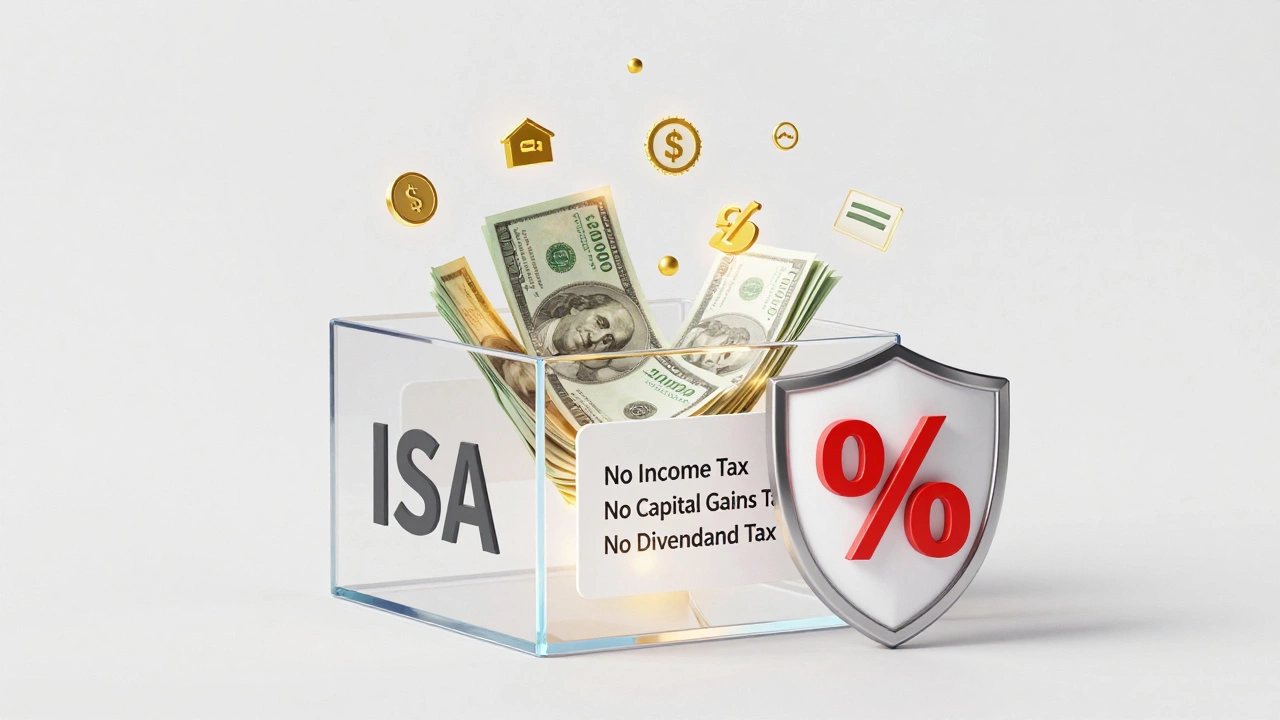
An ISA stands for Individual Savings Account. It’s not a type of bank account like a current or savings account. It’s a tax wrapper. That means it’s a legal container the government lets you use to hold money or investments without paying tax on the growth, interest, or dividends. You don’t pay income tax, capital gains tax, or dividend tax on anything inside an ISA - as long as you follow the rules.
The UK government gives everyone over 16 (or 18 for Stocks and Shares ISAs) a yearly allowance. In 2025/2026, that’s £20,000. You can put all of it into one type of ISA, or split it between different types. Once the money’s in, it grows tax-free forever.
The Four Main Types of ISAs
There are four types of ISAs you can use. You don’t need all of them, but knowing the difference helps you pick the right one.
- Cash ISA: This is the simplest. You deposit money like you would into a regular savings account. The bank pays you interest. The interest doesn’t get taxed. In 2026, top Cash ISA rates are around 4.5% AER. That’s far better than most regular savings accounts, where interest is taxed if you’re a basic-rate taxpayer.
- Stocks and Shares ISA: This lets you invest in things like shares, funds, or bonds. Any profits from selling investments, or dividends you receive, are completely tax-free. If you invest £10,000 and it grows to £15,000, you keep the full £5,000 profit. Outside an ISA, you’d pay capital gains tax on gains over £3,000 (the annual allowance for 2026).
- Innovative Finance ISA: This one’s for peer-to-peer lending. You lend money to individuals or businesses through platforms like Funding Circle. The interest you earn is tax-free. It’s riskier than Cash or Stocks and Shares ISAs, so it’s not for everyone.
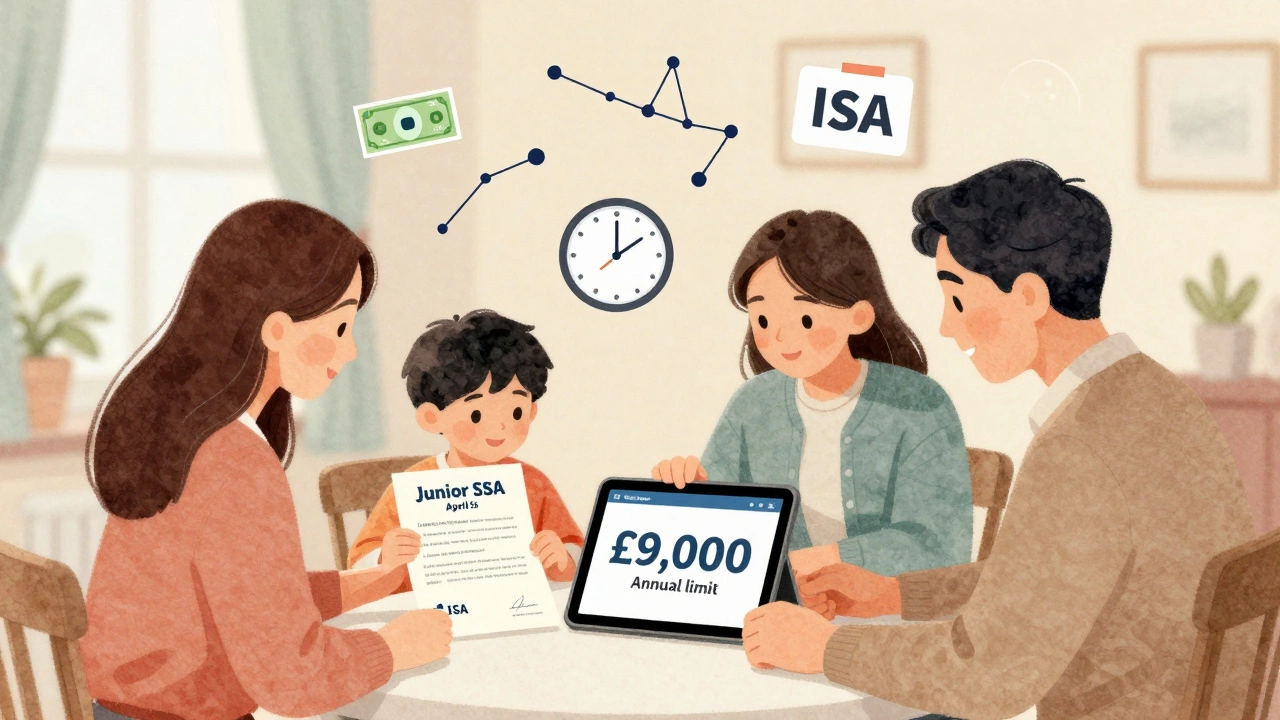
- Junior ISA (JISA): For children under 18. Parents or guardians can open one and contribute up to £9,000 per year (2025/2026). The child takes control at 18. The money can’t be touched before then, but it grows tax-free.
How the £20,000 Allowance Works
You get £20,000 to use each tax year - that runs from April 6 to April 5. You don’t lose unused allowance. If you don’t use it by April 5, it’s gone. No carry-over.
You can split your £20,000 however you like. For example:
- £10,000 in a Cash ISA
- £8,000 in a Stocks and Shares ISA
- £2,000 in an Innovative Finance ISA
But here’s the catch: you can only pay into one of each type per tax year. So you can’t open two different Cash ISAs and put £10,000 into each. You can only have one Cash ISA active in a single tax year. You can have multiple ISAs from different years, but only one new contribution per type per year.
Many people make the mistake of opening a new Cash ISA every year thinking they’re getting more allowance. They’re not. They’re just spreading their money across old accounts. Your total contributions still can’t exceed £20,000 in any one tax year.
Transferring ISAs - Don’t Withdraw, Move
One of the biggest mistakes people make is withdrawing money from an ISA and then trying to put it back in. If you take £5,000 out of your ISA, you can’t just put it back later in the same year and count it toward your £20,000 allowance. That £5,000 is gone from your allowance for the year.
If you want to switch providers - say, from a low-interest Cash ISA to a better one - you must transfer the money. Never withdraw it yourself. Use the official transfer form from your new provider. They handle the move. Your allowance stays intact.
This also applies to Stocks and Shares ISAs. If you’re unhappy with your fund manager, transfer the whole pot. Don’t sell your investments, take the cash out, and try to reinvest. You’ll lose your tax-free status on the gains.
Who Can Open an ISA?
You must be a UK resident to open an ISA. That means you live here, pay UK tax, and aren’t a non-resident for tax purposes. If you move abroad, you can keep your existing ISAs open - and they stay tax-free. But you can’t add new money to them.
For Cash ISAs: You must be 16 or older.
For Stocks and Shares ISAs, Innovative Finance ISAs: You must be 18 or older.
Junior ISAs are for children under 18. Only one parent or legal guardian can open it, and they can’t withdraw money. The child owns it outright at 18.
What Happens When You Die?
If you die, your ISA doesn’t disappear. Your spouse or civil partner can inherit your ISA allowance. They get an additional one-off allowance equal to the value of your ISA at the time of death. This is called the “Additional Permitted Subscription” (APS). They can add that amount to their own ISA without using their own £20,000 allowance. It’s a big tax-saving perk for surviving partners.
For children, the Junior ISA becomes a regular adult ISA when they turn 18. The money is theirs to use - no strings attached.
Why ISAs Are Better Than Regular Savings
Let’s say you’re a basic-rate taxpayer (20% income tax). You save £10,000 in a regular savings account earning 4% interest. After one year, you earn £400 in interest. But you pay £80 in tax. You’re left with £40 in tax-free gain.
Now put that same £10,000 into a Cash ISA. You still earn £400. But you keep the full £400. That’s 100% more than the regular account.
For higher-rate taxpayers (40%), the difference is even bigger. £400 interest becomes £240 after tax in a regular account. In an ISA, you keep all £400. That’s £160 extra per year - just for using the right account.
With Stocks and Shares ISAs, the advantage compounds over time. If you invest £10,000 and it grows to £30,000 over 10 years, you’ve made £20,000 profit. Outside an ISA, you’d pay capital gains tax on £17,000 (after the £3,000 allowance). At 20%, that’s £3,400 in tax. Inside an ISA? £0.
Common Mistakes to Avoid
- Missing the deadline: Don’t wait until April 4 to open your ISA. Providers get swamped. Set a reminder for March 1.
- Withdrawing and redepositing: That resets your allowance. Once it’s out, it’s gone for the year.
- Ignoring fees: Some Stocks and Shares ISAs charge platform fees or fund management fees. Look for low-cost providers like Vanguard, Hargreaves Lansdown, or Fidelity.
- Assuming all ISAs are safe: Cash ISAs are protected up to £85,000 under the FSCS. But Stocks and Shares ISAs aren’t guaranteed. You can lose money if your investments drop.
- Not using your full allowance: If you only put in £5,000 this year, you’ve left £15,000 of free tax on the table. That’s money you’ll never get back.
How to Get Started
- Decide what you want to save for. Emergency fund? Retirement? House deposit?
- Choose the right ISA type: Cash for safety, Stocks and Shares for growth over 5+ years.
- Compare providers. Look at interest rates (for Cash) or platform fees (for Stocks and Shares).
- Open your ISA online. Most take under 10 minutes.
- Set up a direct debit to put in £1,667 per month - that’s £20,000 over 12 months.
You don’t need to be rich to use an ISA. Even putting in £50 a month adds up. Over 10 years, that’s £6,000 - and if it grows at 5% annually, you’ll have over £7,900. All tax-free.
What’s Next?
ISA rules don’t change often, but they do. In 2024, the government removed the restriction that stopped you from opening multiple ISAs across different years. Now you can hold as many old ISAs as you like - you just can’t pay into more than one of each type per year.
There’s talk about expanding ISAs to include more investment types, like crypto or green bonds. For now, stick to the four types. The core benefit remains: your money grows without the government taking a cut.
Start small. Start now. Use your £20,000. It’s the easiest tax break you’ll ever get.
Can I have more than one ISA?
Yes, you can have multiple ISAs from different years, but you can only pay into one of each type per tax year. For example, you can have a Cash ISA from 2023, another from 2024, and a new one for 2025 - but you can only add money to one Cash ISA in 2025/2026.
Can I lose money in an ISA?
You can lose money in a Stocks and Shares ISA or Innovative Finance ISA because they involve investments. The value of your holdings can go down. Cash ISAs are protected up to £85,000 under the FSCS, so your savings are safe unless your bank fails - and even then, you’re covered up to that limit.
Do I need to declare ISA interest on my tax return?
No. ISA interest, dividends, or capital gains are completely tax-free and don’t need to be reported to HMRC. Your ISA provider handles everything internally. You only need to declare income from non-ISA accounts.
Can I transfer my ISA to someone else?
No. ISAs are personal and non-transferable. You can’t gift your ISA to a partner or child. However, if you die, your spouse or civil partner can inherit your ISA allowance as a one-time bonus through the Additional Permitted Subscription rule.
What happens if I pay into two Cash ISAs in the same year?
You’ll break the rules. HMRC will find out - providers report all ISA payments. You’ll lose the tax-free status on the money paid into the second account. You may have to pay tax on any interest earned. Always use the official transfer process if switching providers.