Every year, thousands of people in the UK wonder if they can max out their ISA allowance-and $20,000 is the magic number that keeps popping up. But here’s the thing: ISA isn’t a product. It’s a tax-free wrapper. And Halifax? It’s just one of hundreds of providers that offer it. So can you put $20,000 in an ISA every year through Halifax? The short answer is yes-but not because Halifax lets you. It’s because the UK government says you can.
What’s the ISA limit in 2026?
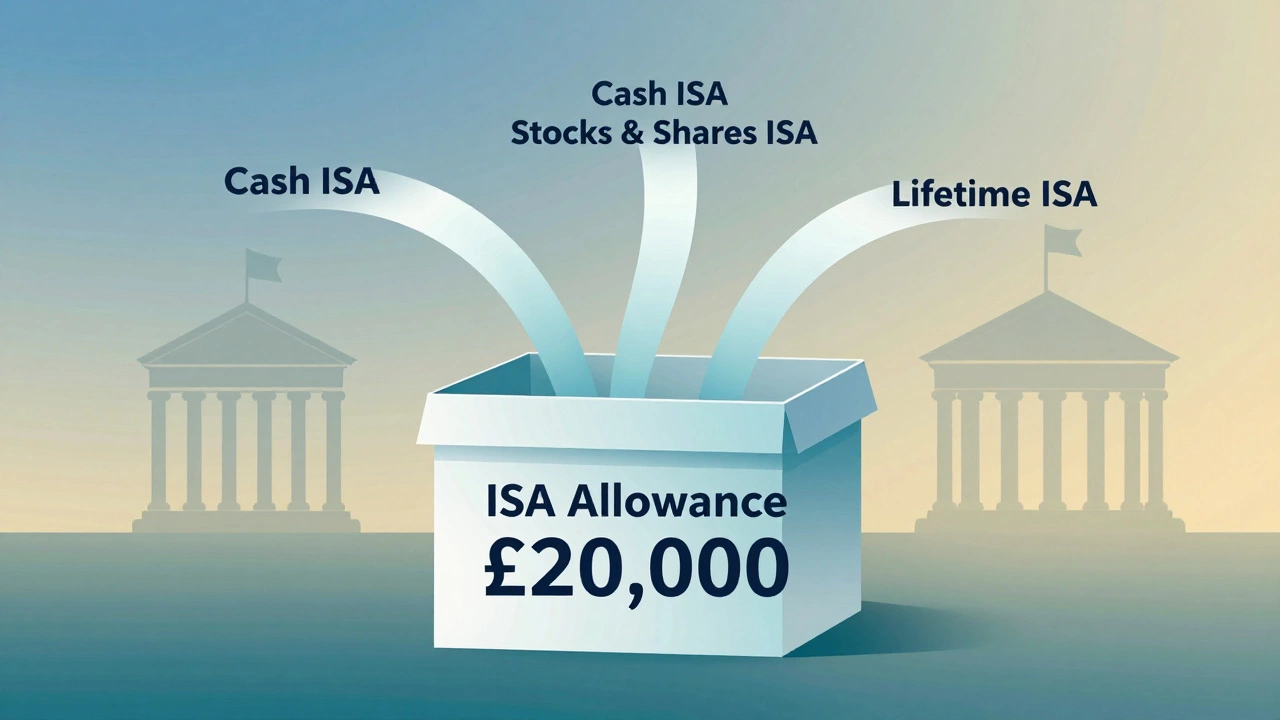
The annual ISA allowance for the 2025/2026 tax year is £20,000. That’s not $20,000. That’s pounds. The UK doesn’t use dollars. If you’re reading this from outside the UK, you might be mixing up currencies. The allowance is fixed in GBP, and it’s the same no matter which bank or provider you use. Halifax, Nationwide, Fidelity, Nutmeg, or even a simple cash ISA from your local branch-they all follow the same rule. You can invest up to £20,000 total across all your ISAs in one tax year.
That £20,000 isn’t split between types. You can put it all in a Cash ISA. Or all in a Stocks and Shares ISA. Or split it: £10,000 in cash, £10,000 in stocks. Or even £5,000 in a Lifetime ISA (if you’re under 40) and the rest in a Stocks and Shares ISA. The rules are simple: total contributions = £20,000 max. No more. No exceptions.
Does Halifax offer different types of ISAs?
Yes. Halifax offers three main types of ISAs:
- Cash ISA: Earn interest tax-free. Rates vary. As of early 2026, Halifax’s standard Cash ISA rate is 3.8% AER.
- Stocks and Shares ISA: Invest in funds, shares, or ETFs. Halifax’s platform charges a 0.45% annual fee on holdings and £1.50 per trade.
- Lifetime ISA: Only if you’re under 40. You can save up to £4,000 per year, and the government adds a 25% bonus. But you can only use it for a first home or retirement.
So if you want to put £20,000 in an ISA through Halifax, you could open a Stocks and Shares ISA and invest the full amount there. Or open a Cash ISA and deposit £20,000 in one lump sum. Or spread it across multiple accounts-as long as you don’t exceed £20,000 total across all providers.
Can you use Halifax and another provider in the same year?
You can. But you can’t put more than £20,000 total. Here’s how it works:
- You open a Cash ISA with Halifax and deposit £10,000.
- You open a Stocks and Shares ISA with Fidelity and deposit £8,000.
- You open a Lifetime ISA with Hargreaves Lansdown and deposit £2,000.
Total? £20,000. Perfectly legal. But if you try to deposit £10,000 into another Cash ISA with Nationwide after already putting £10,000 into Halifax’s, you’ll get rejected. ISA providers check the government’s ISA database in real time. You can’t double dip.
Also, you can only pay into one Lifetime ISA per year, even if you have multiple providers. Same with Junior ISAs. Each type has its own rules.
What happens if you accidentally overpay?
It’s rare, but it happens. Maybe you forgot you had an old ISA with another bank. Or you transferred money from a matured fixed-term bond and didn’t realize it counted. If HMRC catches an overpayment:
- Your excess contribution gets removed.
- You lose any tax-free interest or gains on that money.
- You might get fined if it looks intentional.
Most providers, including Halifax, will stop you before you overpay. If you’re transferring funds from an old ISA, they’ll ask you to confirm the amount. If you’re depositing cash, the system checks your total contributions for the year. Still, mistakes happen. Keep records. Save your contribution receipts. If you think you’ve overpaid, contact HMRC immediately. Don’t wait.

Can you carry over unused ISA allowance?
No. This trips up a lot of people. If you don’t use your £20,000 this year, you lose it. There’s no carryover. The allowance resets every April 6. So if you only put in £5,000 in 2025/2026, you can’t roll the remaining £15,000 into next year. You’ll get a new £20,000 allowance on April 6, 2026-but you can’t combine them.
That’s why smart savers spread their contributions. Some put in £1,666 each month. Others wait until March and dump it all in one go. Both work. But if you wait too long, you risk missing the deadline.
How does Halifax compare to other ISA providers?
Halifax isn’t the cheapest or the most feature-rich, but it’s reliable. Here’s how it stacks up:
| Provider | Cash ISA Rate (AER) | Stocks & Shares Fees | Minimum Investment | App Quality |
|---|---|---|---|---|
| Halifax | 3.8% | 0.45% annual + £1.50/trade | £1 | Good |
| Nutmeg | N/A | 0.75%-1.5% (managed) | £500 | Excellent |
| Fidelity | 3.2% | 0.25% annual, £0 trades | £1 | Excellent |
| Moneybox | 3.5% | 0.5% monthly fee | £1 | Very Good |
| Barclays | 3.6% | 0.45% annual + £2/trade | £1 | Fair |
Halifax’s Cash ISA rate is competitive. Its Stocks and Shares ISA isn’t the cheapest, but it’s solid for beginners. If you’re comfortable managing your own investments, Fidelity or Interactive Investor might save you more. If you want automation, Nutmeg or Moneybox handle it for you.
What if you’re not a UK resident?
You can’t open an ISA unless you’re a UK tax resident. That means you must live in the UK, pay UK taxes, and have a UK address. If you moved abroad last year, you can’t contribute to an ISA anymore-even if you keep the account open. You can’t transfer money into it from overseas. And if you’re a non-resident, you can’t open a new one.
Some people think if they have a Halifax account, they can keep contributing. That’s not true. HMRC checks residency status. If you’re not paying UK taxes, your ISA becomes invalid. You’ll still earn interest, but it won’t be tax-free anymore. And if you try to deposit new money, it’ll be rejected.
Can you transfer old ISAs to Halifax?
Yes. And you should. If you have old ISAs from previous years with other providers, you can transfer them to Halifax. But here’s the key: you don’t use your new allowance to do it. Transfers don’t count toward your £20,000 limit. You can transfer £50,000 from an old ISA into Halifax’s Stocks and Shares ISA and still put £20,000 in new money this year.
Just don’t withdraw the money yourself. If you take cash out and then redeposit it, it counts as a new contribution-and you’ll exceed your limit. Always use the official transfer form. Halifax will handle the rest.
Is Halifax the best choice for maxing out your ISA?
It’s a good option if you already bank with them. It’s convenient. You can link your current account, set up automatic transfers, and manage everything in one app. But if you’re serious about growing your money, you might be leaving money on the table.
For example: if you put £20,000 into Halifax’s Cash ISA at 3.8%, you’ll earn about £760 in interest this year. But if you put that same £20,000 into a diversified Stocks and Shares ISA with low fees (like Fidelity), and the market returns 6% on average, you could earn £1,200-or more. Riskier? Yes. But over time, that difference compounds.
So if you’re risk-averse, Halifax’s Cash ISA is fine. But if you’re investing for the long term, consider moving some or all of your allowance into a Stocks and Shares ISA-even if it’s with a different provider.
Final checklist: Can you put £20,000 in an ISA with Halifax?
- Yes-you can invest up to £20,000 total per tax year.
- Yes-Halifax offers Cash and Stocks & Shares ISAs that accept full contributions.
- No-you can’t exceed £20,000 across all providers.
- No-you can’t carry over unused allowance.
- Yes-you can transfer old ISAs without affecting your new allowance.
- No-non-UK residents can’t contribute.
So go ahead. Put £20,000 in an ISA this year. Halifax lets you. But don’t stop there. Ask yourself: Is this the best place for my money? Or could I grow it more?