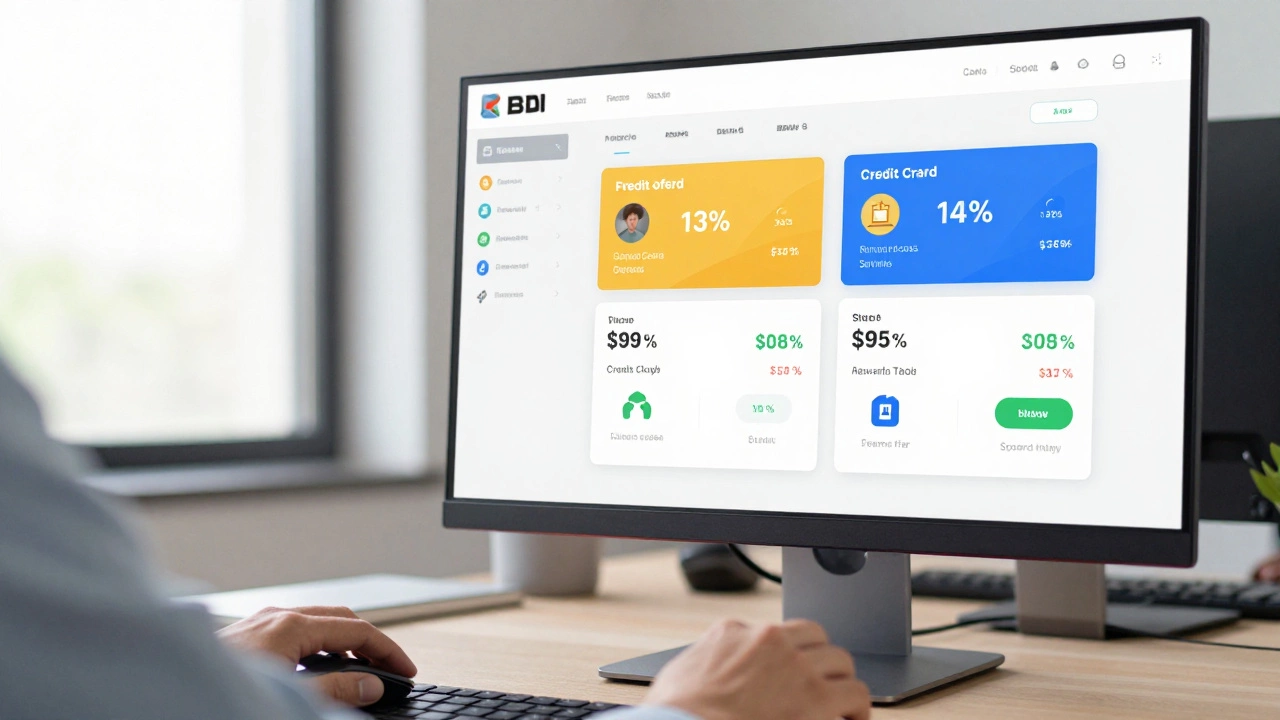
Credit Card Rewards Estimator
Enter your average monthly spending to see if a specialized rewards card beats a standard flat-rate card.
Key Takeaways
- NerdWallet and Credit Karma are top choices for comprehensive comparisons.
- Focus on the "Effective APR" rather than just the introductory rate.
- Use "soft pull" pre-qualification tools to protect your credit score.
- Match the card category (Travel, Cash Back, Low Interest) to your biggest monthly expense.
The Go-To Tool: NerdWallet
If you're looking for a single, reliable place to start, NerdWallet is often the gold standard. It isn't just a list of cards; it's a data engine. They break down complex terms into plain English, which is a lifesaver when you're staring at a 50-page terms and conditions document. What makes them stand out is their transparency about how they make money-they earn commissions from banks, but they don't let that stop them from pointing out a card's flaws.
For example, if you're a frequent traveler, you can use their filters to compare Travel Rewards Cards. You can see exactly how many points you'll earn per dollar spent on flights versus hotels. If you spend $500 a month on groceries, a card offering 6% back on supermarkets will beat a generic 1.5% flat-rate card every single time. The math is done for you, so you don't need a spreadsheet to find the winner.
Using Credit Karma for Personalized Matching
While some sites give you a general list, Credit Karma takes a different approach by tying the offers to your actual Credit Score. There's nothing worse than spending an hour researching the perfect card only to get rejected because your score is 620 and the card requires a 740.
Credit Karma uses your real-time data to show you cards you are "likely" or "highly likely" to be approved for. This removes the guesswork. They use a process called a "soft credit pull," which means they can check your eligibility without dinging your score. If you're worried about your credit history, starting here prevents the nightmare of multiple "hard inquiries" from different banks, which can actually lower your score further.

What to Look for When Comparing
When you're scrolling through a comparison table, it's easy to get blinded by a huge welcome bonus. However, the bonus is a one-time event; the Annual Percentage Rate (APR) is a long-term reality. If you plan to carry a balance, a 0% introductory APR for 15 months is your most valuable feature. If you pay your bill in full every month, the APR doesn't matter-you should be hunting for the highest cashback or rewards rate.
| Feature | NerdWallet | Credit Karma | Bank Finder |
|---|---|---|---|
| Personalization | Medium (Filter-based) | High (Score-based) | Low (General) |
| Detailed Reviews | Excellent | Moderate | Basic |
| Pre-Qualification | Available | Core Feature | Limited |
| Focus Area | Broad Finance | Credit Monitoring | Direct Comparison |
The Danger of the "Best" List
You'll often see lists titled "Top 10 Credit Cards of 2026." Be careful with these. A card that is "the best" for a millionaire who spends $50k a year on business travel is a terrible card for a college student trying to build credit. The "best" card is the one that aligns with your Spending Patterns.
Consider two scenarios. Person A spends mostly on gas and commuting. Person B spends mostly on dining out and streaming services. If both use a generic cash-back card, they might get 1.5% back. But if Person A gets a dedicated fuel card and Person B gets a dining-specific card, they could easily bump that to 3% or 5%. Comparison sites allow you to toggle these categories to see the actual dollar difference over a year. Over 12 months, that could be the difference between $150 and $500 in free money.

Avoiding the Application Trap
One common mistake people make is applying for three different cards in one week because a comparison site said they were all "great." Every time you submit a formal application, the lender performs a Hard Inquiry. Too many of these in a short window can make you look desperate for credit to lenders, which ironically makes them less likely to approve you.
To avoid this, always look for the "Check for offers" or "See if you're pre-approved" buttons on comparison sites. These use the soft pull method mentioned earlier. If a site asks for your Social Security number immediately without mentioning a soft pull, be cautious. Only commit to a full application once you've narrowed your choice down to the single best option for your lifestyle.
Alternative Ways to Compare
While websites are the fastest route, don't ignore your existing bank. Sometimes, a bank will offer a "relationship bonus" to existing customers that isn't listed on any public comparison site. It's worth a quick five-minute chat with your current bank's representative to see if they have a matching offer for a card you're eyeing elsewhere. They might give you a better interest rate or waive the first year's annual fee just to keep you from moving your money.
Additionally, if you're dealing with a specific niche, like small business expenses, look for platforms that focus on Business Credit Cards. These have different rules, higher limits, and more complex reward structures (like spending caps) that general consumer sites might overlook.
Do credit card comparison sites charge a fee?
No, the vast majority of these sites are free for the user. They make their money through affiliate partnerships with the banks. When you apply for a card through their link and get approved, the bank pays them a referral fee. This doesn't cost you extra and doesn't usually change the terms of the card you receive.
Will using a comparison site affect my credit score?
Simply browsing a site or using a pre-qualification tool that performs a "soft pull" will not affect your credit score. However, once you click "Apply" and submit a formal application to the bank, a "hard pull" occurs, which can cause a small, temporary dip in your score.
Which is better: Cash Back or Points?
Cash back is simpler and more flexible because it's essentially a discount on your spending. Points are better if you enjoy traveling or are willing to spend time "optimizing" your redemptions. For most people, cash back is the safer, more transparent choice, while points can offer higher value for those who book luxury travel.
Can I compare cards from different countries?
Generally, no. Credit card offers are region-specific because they rely on the local banking regulations and credit reporting agencies of that country. You'll need to use a site specifically tailored to your current country of residence to get accurate offers.
What is the "Effective APR"?
The Effective APR is the actual annual cost of borrowing, including the interest rate and any mandatory fees. Some cards might boast a low interest rate but charge a high annual fee, which makes the actual cost of the credit higher than it looks on the surface.
Next Steps for Your Search
If you're ready to find a new card, start by listing your top three monthly spending categories. If you spend the most on gas and groceries, search specifically for "cash back groceries cards." Once you have a list, head to a site like NerdWallet to compare the top three contenders. Check for pre-qualification offers first to save your credit score. Finally, read the "Fine Print" section of the offer-specifically the parts about how long the 0% APR lasts and what happens to your points if you close the account.