
Remortgaging isn’t just about switching lenders to get a better rate. It’s a full financial reset for your home. If you’re thinking about it in 2025, you’re not alone. With interest rates still hovering above 4% in Ireland, many homeowners are looking to cut monthly payments or unlock equity. But what do you actually need to make it happen? It’s not just paperwork. It’s preparation. And if you skip even one step, your application could stall-or get rejected.
You need your current mortgage details
Start with what you already have. Your current lender will send you a statement each year, but don’t wait for it. Log into your online account or call them directly. You need three things: your outstanding balance, your interest rate, and your monthly payment. Write them down. If you’re on a fixed rate, note when it ends. That’s your window. Most lenders won’t let you remortgage more than 6 months before your deal ends. If you’re already in a variable rate, you’re free to move now.Some people forget to check for early repayment charges (ERCs). These are fees for paying off your mortgage early. They’re common on fixed-rate deals. If you’re still within the ERC period, you could be hit with 2% to 5% of your balance. On a €300,000 mortgage, that’s €6,000 to €15,000. It might wipe out any savings from a new rate. Always ask for a copy of your ERC schedule. If it’s still active, wait-or calculate if the long-term savings justify the cost.
You need proof of income and employment
Lenders don’t just care about your credit score. They care about your job. In 2025, with tighter lending rules, you’ll need recent payslips-usually the last three. If you’re self-employed, you’ll need two years of certified accounts and tax returns from Revenue. Even if you’ve been with the same employer for ten years, they still need to verify your income. No exceptions.Temporary workers, freelancers, and those on contracts face extra scrutiny. If you’ve been working the same gig for over a year, you might still qualify-but you’ll need a letter from your client confirming ongoing work. Some lenders now ask for bank statements showing regular deposits over six months. Don’t assume your payslip is enough. If your income is irregular, start gathering proof now.
You need your credit report
Your credit score isn’t just a number. It’s your financial reputation. In Ireland, you can get a free report from the Central Credit Register. Log in and download it. Look for errors: old debts marked as unpaid, accounts you closed but still show open, or missed payments you didn’t make. Even one late payment from two years ago can knock your score down enough to lose access to the best rates.Most lenders want a score above 700 on the CRIF scale. If you’re below that, you might still qualify-but you’ll pay more. Pay down any credit cards. Don’t open new ones. Avoid big purchases like a new car or holiday before applying. Every new credit application drops your score slightly. And if you’ve had a County Court Judgment (CCJ) or debt management plan in the last six years, your options shrink. Fix your credit first. It takes time, but it’s worth it.
You need a property valuation
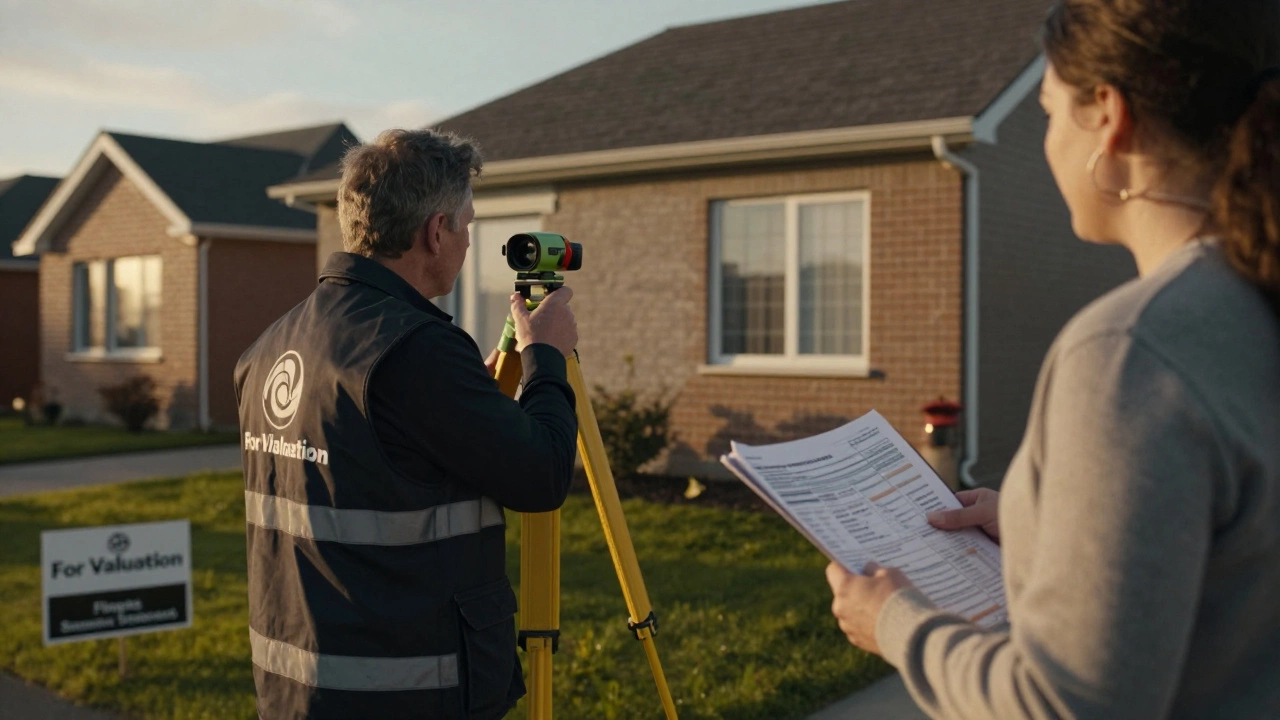
Your home isn’t worth what you paid for it five years ago. Lenders don’t care about your purchase price. They care about its current market value. That’s why you’ll need a valuation. Most lenders arrange this themselves through their panel of surveyors. But you still need to be ready.They’ll send someone to check the condition of your home. Clean up clutter. Fix obvious issues like leaking taps or broken windows. If you’ve done major renovations-like a new kitchen, extension, or loft conversion-have the receipts handy. They can help justify a higher valuation. If your home is in poor condition, the valuation might come in lower than expected. That could mean you don’t qualify for the loan amount you need. Don’t wait until the last minute. Get a rough estimate from a local estate agent first. If it’s way below your expectations, you might need to delay remortgaging or improve your home first.
You need your ID and proof of address
This sounds basic, but it’s often the reason applications get delayed. You’ll need a valid passport or driving license. Plus two recent proof-of-address documents-like a utility bill, bank statement, or council tax bill-that are no older than three months. If you’ve moved recently, make sure your name is on the new bill. If you’re on a joint mortgage, your partner needs the same documents.Some lenders now require an additional identity verification step through an app. You’ll take a photo of your ID and a live selfie. If your photo doesn’t match or the lighting is bad, they’ll ask you to resubmit. Do it right the first time. Don’t use blurry phone photos. Use good lighting. Wear your normal clothes. No hats or sunglasses.
You need to know why you’re remortgaging
Why are you doing this? Is it to lower your monthly payment? To switch from a variable to a fixed rate? To pay off credit card debt? To fund home improvements? Your reason matters. Lenders ask it. And if your answer is vague-“I just want a better deal”-they might question your financial discipline.If you’re remortgaging to pay off other debts, you’ll need to show a clear repayment plan. Lenders won’t let you roll €20,000 of credit card debt into your mortgage without seeing how you’ll avoid falling back into the same trap. They want to see that you’ve cut spending or increased income. If you’re doing it for renovations, you’ll need quotes from contractors. If you’re just chasing a lower rate, compare the total cost-not just the monthly payment. A longer term might lower your payment but cost you more in interest over time.
You need to compare lenders properly
There are over 30 mortgage lenders in Ireland. Not all of them offer remortgages. And not all of them offer the same terms. Don’t just go with the first offer you get. Use comparison tools like MoneySuperMarket or BankBazaar, but don’t trust the headline rate alone.Look at the total cost: arrangement fee, valuation fee, legal fees, early repayment charges, and the interest rate. A 2.9% rate with a €2,000 fee might cost more than a 3.2% rate with no fee. Calculate the break-even point: how many months will it take for the savings to cover the costs? If it’s more than three years, and you plan to move in two, it’s not worth it.
Also, check if the deal is portable. If you might move house in the next few years, you’ll want to take your mortgage with you. Not all deals allow that. Ask. And don’t forget to ask about flexibility: can you overpay? Can you take a payment holiday? Can you switch to a different product later without penalties?

You need a solicitor
You can’t remortgage without a solicitor. They handle the legal side: transferring the mortgage deed, paying off your old lender, registering the new one with the Property Registration Authority. Most lenders have a panel of approved solicitors. You can choose your own, but it might cost more. Expect to pay between €1,200 and €2,000 for legal fees, depending on your property value and location.Ask your solicitor for a full breakdown. Some charge extra for dealing with the Central Credit Register or for extra paperwork. Make sure they’re experienced in remortgages-not just first-time buyers. A mistake in the paperwork can delay your new mortgage by weeks.
You need to plan for timing
The whole process takes 4 to 8 weeks. Start at least 3 months before your current deal ends. If you’re on a variable rate, start now. The valuation can take 1-2 weeks. The solicitor needs time to review everything. Lenders take 2-3 weeks to approve. Delays happen. Don’t assume you’ll get your new mortgage on day one. You’ll still have to pay your old lender until the new one transfers the funds.Set a calendar reminder. Block out time to gather documents. Don’t wait until the last minute. If your current deal ends in June, start in March. That gives you breathing room if something goes wrong.
You need to be ready for the unexpected
Not every remortgage goes smoothly. Your income might be questioned. Your valuation might come in low. Your credit score might dip. Your solicitor might go on holiday. Have a backup plan. If your application gets rejected, don’t panic. Ask why. Fix it. Then try again with a different lender. Some lenders specialize in people with complex finances-like the self-employed or those with past credit issues.And remember: remortgaging isn’t a magic fix. It’s a tool. Use it wisely. Lower payments are good. But don’t trade long-term security for short-term relief. If you’re not sure, talk to a fee-free mortgage broker. They’re paid by lenders, not you. And they know which deals are actually worth it.
Do I need a deposit when remortgaging?
No, you don’t need a new deposit. Your equity in the home replaces it. If your house is worth €400,000 and you owe €250,000, you have €150,000 in equity. That’s what lenders use to approve your new loan. But if your home’s value has dropped, and you owe more than it’s worth, you might need cash to cover the gap.
Can I remortgage with bad credit?
Yes, but your options are limited. You’ll likely pay a higher interest rate. Some lenders specialize in bad credit remortgages. They’ll look at your income, equity, and how long you’ve owned the home. If you’ve kept up payments and have at least 20% equity, you can still qualify. But avoid lenders promising ‘guaranteed approval’-they often charge high fees.
How much does remortgaging cost in Ireland?
Typical costs include legal fees (€1,200-€2,000), valuation fee (€150-€400), and arrangement fees (€0-€2,500). Some lenders waive fees if you take a higher rate. Add in stamp duty only if you’re increasing your loan amount beyond 80% of your home’s value. Total out-of-pocket costs usually range from €1,500 to €3,500.
Can I remortgage if I’m self-employed?
Yes, but you’ll need two full years of certified accounts and tax returns from Revenue. Some lenders accept one year if your income has grown steadily. You’ll also need bank statements showing consistent deposits. The key is proving stability-not just high earnings. Lenders want to see you’ve been in business long enough to be reliable.
Will remortgaging affect my credit score?
It can, temporarily. Each lender does a hard credit check when you apply. Multiple checks in a short time can lower your score. But if you apply to one or two lenders within 30 days, most credit scoring models treat them as one inquiry. Once approved and you start paying on time, your score will recover-and may even improve.