ISA Strategy & Bonus Calculator
Enter Your Contributions
Key Rules to Remember
- Annual Limit: Total contributions across all ISAs cannot exceed £20,000 per tax year.
- LISA Cap: You can only contribute up to £4,000 to a LISA per year.
- No Rollover: Unused allowance does not carry over to the next year.
- One Provider Rule: You can only subscribe to one account of each type per provider in a tax year.
Imagine putting money into a jar that the government promises never to touch with tax. That is essentially what an Individual Savings Account (ISA) is. For millions of people in the UK, it is the most powerful tool for saving and investing without worrying about HMRC taking a cut of their profits or interest. But there is a catch. You have to play by specific rules. Break them, and you lose the tax-free status. With the current financial landscape shifting and rates fluctuating, understanding these rules isn't just nice-to-have; it's essential for keeping your hard-earned money safe and growing.
If you are looking at your bank balance and wondering how to maximize it legally, you need to know exactly how ISAs work right now. The rules can feel like a maze of acronyms and annual limits. We will break down the allowances, the types available, and the common mistakes people make that cost them thousands in potential gains.
The Golden Rule: The Annual Subscription Limit
The single most important number you need to know is the annual subscription limit. This is the maximum amount of new money you can put into any combination of ISAs in one tax year. The tax year runs from April 6 to April 5 of the following year. If you miss this deadline, the unused allowance disappears forever. It does not roll over.
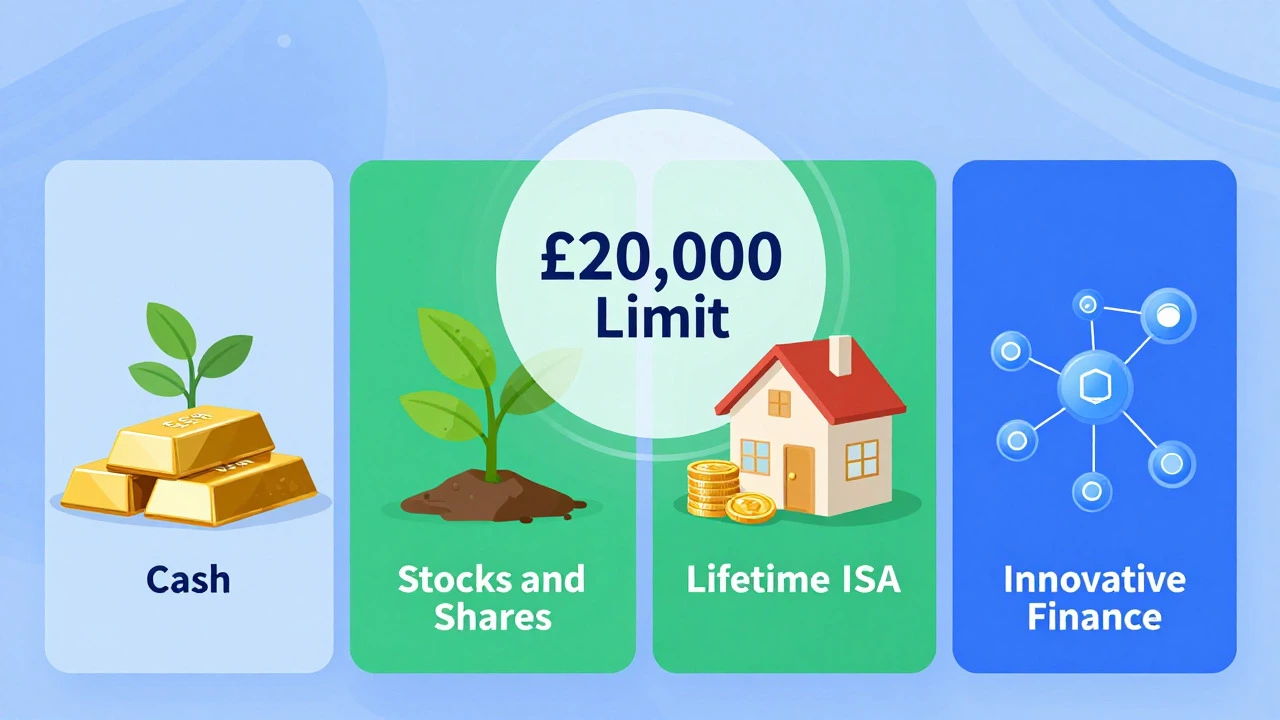
For the 2024/2025 tax year, the standard ISA allowance was £20,000. While inflation adjustments happen annually, this figure has remained stable for several years. This means you can split this £20,000 across different types of ISAs as you see fit. You could put all £20,000 into a Cash ISA, or £10,000 into a Stocks and Shares ISA and £10,000 into a Cash ISA. However, you cannot exceed the total cap. If you put £20,000 into a Stocks and Shares ISA, you have £0 left for any other ISA type that year.
| Tax Year | Total ISA Allowance | Lifetime Allowance Impact |
|---|---|---|
| 2023/2024 | £20,000 | Reduces pension lifetime allowance if applicable |
| 2024/2025 | £20,000 | Standard protection applies |
| 2025/2026 | To be confirmed (likely £20,000+) | Check official gov.uk announcements |
A critical detail here is the "one provider per type" rule. You can open accounts with multiple providers, but you can only subscribe to (add new money to) one account of each type per tax year. So, you can’t split your £20,000 Stocks and Shares ISA allowance between two different investment firms for new contributions in the same year. You must choose one. Once you’ve chosen, you’re locked in for that year’s new deposits.
Types of ISAs: Choosing Your Strategy
Not all ISAs are created equal. They serve different purposes, and picking the wrong one can hinder your goals. There are four main types you should know about.
Cash ISAs are the simplest. They work like a regular savings account but the interest you earn is completely tax-free. In a high-interest-rate environment, these are attractive for short-term goals or emergency funds because your capital is protected. You won’t lose money if the market crashes. However, inflation can eat away at the real value of your savings if the interest rate doesn’t outpace price rises.
Stocks and Shares ISAs are for long-term growth. You invest in assets like shares, bonds, or funds. The profits, dividends, and capital gains are all tax-free. Historically, these have outperformed cash savings over periods of ten years or more. But there is risk. Your capital is not guaranteed. If the market drops, your ISA value drops too. This is not for money you need next month.
Lifetime ISAs (LISAs) come with a bonus but strict conditions. You can save up to £4,000 per year, and the government adds a 25% bonus-that’s an extra £1,000 free every year. This counts toward your overall £20,000 ISA allowance. The catch? You can only withdraw the money penalty-free for buying your first home (up to £450,000) or after age 60 for retirement. Withdraw it for anything else before 60, and you lose the bonus plus a 5% penalty on the withdrawal.
Innovative Finance ISAs allow you to lend money to individuals or businesses through peer-to-peer platforms. The interest you receive from these loans is tax-free. This is higher risk than a Cash ISA and requires careful due diligence on the lending platform’s security measures.
Withdrawal Rules: Getting Your Money Out
This is where many people get confused. Can you take money out of an ISA? Yes, but the rules vary significantly by type.
With a standard Stocks and Shares ISA or a Cash ISA, you can withdraw money at any time. However, withdrawing money reduces the space available in your ISA for that tax year. If you put in £10,000 and then withdraw £2,000, you do not get that £2,000 allowance back. You still only have £10,000 worth of allowance used. To put that £2,000 back in, you would need to use your remaining allowance from the £20,000 pot. If you’ve already maxed out your £20,000, you can’t put it back in until the next tax year begins on April 6.
Some providers offer "flexible ISAs." These allow you to withdraw money and put it back in within the same tax year without using up more of your allowance. This is incredibly useful for emergencies. Before opening an account, check if the provider offers flexibility. Not all do.
For Lifetime ISAs, the withdrawal rules are rigid. As mentioned, early withdrawals for non-qualifying reasons incur a 25% charge. This effectively removes the government bonus and takes 5% of your own money. It is designed to discourage dipping into retirement or home-buying funds prematurely.
Transferring ISAs: Moving Without Losing Benefits
You might want to move your ISA from one provider to another-perhaps to get a better interest rate or lower fees. You can do this, but you must follow the correct process. Do not simply withdraw the cash and deposit it into a new ISA. That counts as a withdrawal and uses up your allowance.
Instead, request a formal transfer. The new provider handles the paperwork with the old one. The money moves directly between institutions. This preserves your tax-free status and does not affect your annual allowance. Transfers can take a few weeks, so plan ahead. Also, note that you can only transfer full years’ worth of savings. You cannot partially transfer a current tax year’s contribution unless both providers agree to a complex partial transfer process, which is rare.
Common Mistakes That Cost You Money
Even savvy investors slip up. Here are the pitfalls to avoid:
- Double Subscribing: Accidentally paying into two different Cash ISAs in the same tax year. This breaches the rules. The provider will likely contact you, but it creates administrative headaches and may require correcting entries with HMRC.
- Ignoring the LISA Bonus: If you are under 40 and saving for a house or retirement, not using an LISA means leaving free money on the table. A 25% guaranteed return is hard to beat elsewhere.
- Mixing Up Allowances: Thinking that your £20,000 ISA allowance is separate from your Personal Savings Allowance. They are different. The ISA allowance is for sheltered accounts. The Personal Savings Allowance lets basic-rate taxpayers earn £1,000 of interest tax-free in non-ISA accounts. Use the ISA first.
- Forgetting About Inheritance: When you die, your ISA loses its tax-free status for your heirs. However, there is a "death benefit" allowance. Your spouse or civil partner can increase their own ISA allowance by the value of your ISA at the date of death. This must be claimed within two years. Don’t let your family miss out on this extra room.
Who Is Eligible?
To open an ISA, you generally need to be a UK resident for tax purposes. You must also be at least 16 years old for a Cash ISA and 18 for a Stocks and Shares ISA or LISA. Children can have Junior ISAs opened for them by parents or guardians, which they access when they turn 18. Non-residents cannot contribute to ISAs, though existing ones can usually remain open.
If you live abroad but maintain UK tax residency, you can still contribute. If you move away permanently, you can keep your ISAs, but you can no longer add to them. Check your specific residency status if you spend significant time overseas.
Planning for the Future
ISAs are not set-and-forget. Review your strategy annually. If interest rates drop, your Cash ISA might stop beating inflation, signaling a shift to Stocks and Shares. If you are nearing retirement, consider moving risky investments into safer options within your ISA to protect accumulated gains. Always align your ISA choices with your broader financial picture, including pensions and other savings. The goal is not just to fill the allowance, but to build wealth efficiently and securely.
What happens if I exceed my ISA allowance?
If you accidentally pay more than the £20,000 limit into your ISAs in one tax year, you have breached the rules. Your provider should notify you. You may need to withdraw the excess amount. If not corrected, HMRC could impose penalties, and the tax-free status of the entire account could be jeopardized. Contact your provider immediately if this happens.
Can I open an ISA if I am not a UK resident?
Generally, no. To open and contribute to an ISA, you must be UK resident for tax purposes. If you move abroad, you can usually keep your existing ISAs open and invested, but you cannot make new contributions. Some providers may close non-resident accounts, so check their terms.
Does money in an ISA count towards my pension allowance?
No. ISA contributions are separate from pension contributions. You can max out both your £20,000 ISA allowance and your £60,000 annual pension allowance in the same year. They are distinct vehicles with different tax benefits and access rules.
Can I change the type of ISA I have?
You cannot simply convert a Cash ISA into a Stocks and Shares ISA. You must transfer the funds formally. This involves closing the old account and opening a new one with the receiving provider handling the transfer. Ensure you don’t breach the one-subscription-per-type rule during the process.
Is the ISA allowance going to increase in 2026?
The ISA allowance is set by the Chancellor in the Spring Budget. While it has been £20,000 for several years, it can be adjusted for inflation or policy changes. Keep an eye on official government announcements in March/April 2026 for the exact figure for the 2026/2027 tax year.