ISA Tax Savings Calculator
How an ISA saves you money
Calculate your potential tax savings when investing through an ISA versus a regular investment account. Based on UK tax rates for the 2025/26 tax year.
Results
Every year, thousands of people in the UK open an ISA hoping it’ll grow their money without paying tax. But here’s the truth: ISA isn’t an investment-it’s a tax-free wrapper. And that makes all the difference.
What an ISA Actually Is
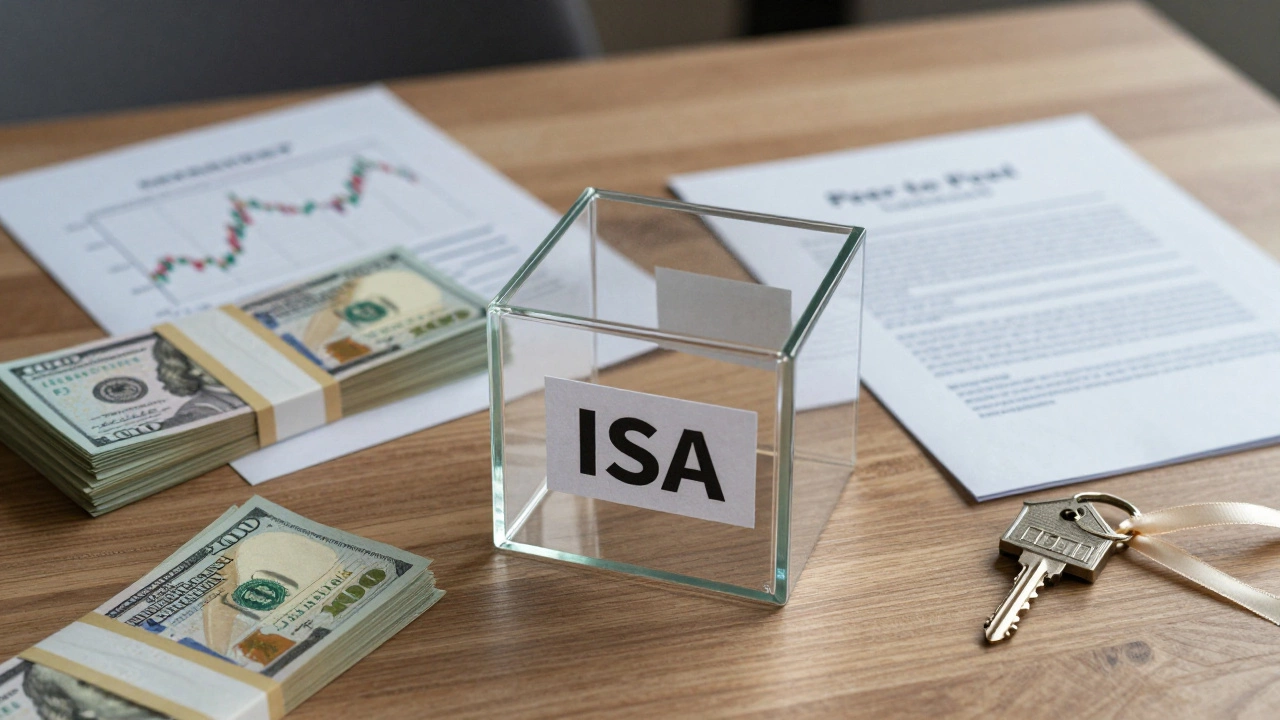
An ISA, or Individual Savings Account, is a government-backed account that lets you save or invest money without paying tax on the interest, dividends, or capital gains. It doesn’t grow your money by itself. You still have to choose what goes inside it-cash, stocks, bonds, or funds. Think of it like a empty box. The box doesn’t make money. What you put in it does.
There are four main types in 2025:
- Cash ISA: Like a savings account, but tax-free interest. Best for short-term goals or risk-averse savers.
- Stocks and Shares ISA: Lets you invest in funds, shares, or ETFs. Gains are tax-free, but value can drop.
- Innovative Finance ISA: For peer-to-peer lending. Higher risk, higher potential returns.
- Lifetime ISA: For first-time homebuyers or retirement. You get a 25% government bonus, but penalties apply if you withdraw early for other reasons.
The annual allowance is £20,000 for the 2025/26 tax year. You can split this across types, but you can only pay into one of each type per year.
Why People Think ISAs Are Investments
Marketing. Banks and brokers call their Stocks and Shares ISAs "investment ISAs" like it’s a product. But the ISA itself isn’t the investment-it’s just the tax-free container. You’re still buying Vanguard funds, FTSE 100 shares, or crypto ETFs. The ISA just shields you from capital gains tax and dividend tax.
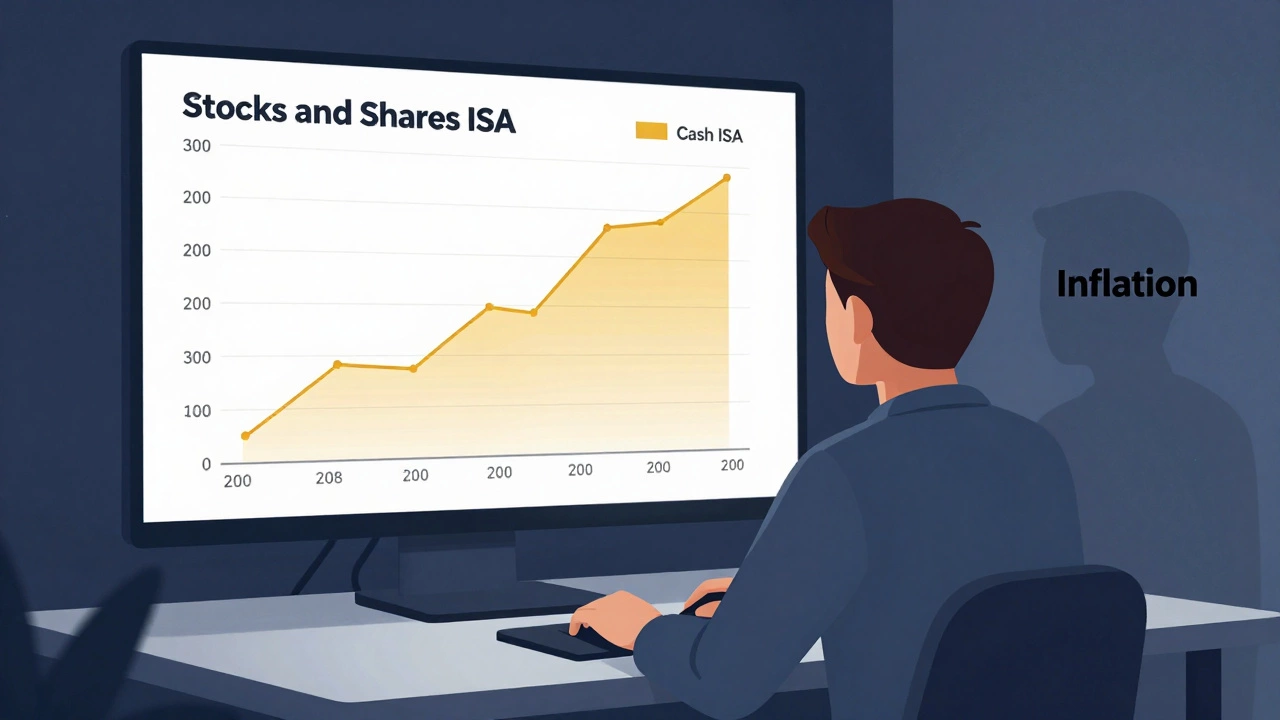
That confusion leads to bad decisions. People open a Cash ISA and leave £15,000 in it earning 0.5% interest because they think "it’s tax-free, so it’s safe." Meanwhile, inflation is at 2.8%. That £15,000 loses real value every year. Tax-free doesn’t mean growth-free.
When an ISA Is a Great Move
ISAs shine when you’re already saving or investing-and you want to keep more of what you earn.
If you’re in the 40% tax bracket and you earn £1,000 in dividends from shares, you’d normally pay £200 in tax. Put those same shares in a Stocks and Shares ISA? You keep every penny. Same goes for selling a fund that’s gone up by £5,000. Outside an ISA, you pay 10% or 20% capital gains tax (depending on your income). Inside? Zero.
For long-term investors, that adds up. A £10,000 investment growing at 6% annually over 20 years becomes £32,071. Outside an ISA, you’d owe tax on gains. Inside? You walk away with the full £32,071. That’s a difference of over £5,000 in tax savings alone.
When an ISA Is a Waste of Time
Don’t open an ISA if:
- You’re not putting any money into it. An empty ISA is just a digital file.
- You’re putting money into a Cash ISA and leaving it there for years with 0.6% interest. You’re losing money to inflation.
- You’re using a Lifetime ISA as a general savings account. Withdraw it for anything other than a house or retirement? You lose the bonus and pay a 25% penalty.
- You’re maxing out your ISA but ignoring your pension. If you’re a higher earner, pension contributions get tax relief at your highest rate-often better than an ISA.
One client I worked with in 2023 had £25,000 in a Cash ISA earning 0.7%. She was terrified of the stock market. But over five years, inflation ate £3,200 of her purchasing power. She finally moved £15,000 into a low-cost global index fund inside a Stocks and Shares ISA. By 2025, that portion had grown to £19,800. She didn’t touch it. She didn’t panic. She just let it grow.
ISA vs Other Savings Options
Let’s compare what you keep after tax and inflation:
| Option | Annual Return | After-Tax Value | Real Return (After Inflation) |
|---|---|---|---|
| Regular Savings Account (2.5%) | 2.5% | £12,720 | +0.7% |
| Cash ISA (2.5%) | 2.5% | £13,020 | +1.0% |
| Stocks and Shares ISA (6%) | 6% | £17,908 | +4.2% |
| Standard Investment Account (6%) | 6% | £16,400 | +2.7% |
Notice how the Stocks and Shares ISA pulls ahead-not just because of higher returns, but because you keep every penny of the gains. Even a modest 6% return inside an ISA beats a 2.5% return outside it, by a wide margin.
Who Should Use an ISA?
Best for:
- Anyone who pays tax and saves or invests regularly.
- People saving for goals 5+ years away (house deposit, early retirement, kids’ education).
- Higher-rate taxpayers who get hit hard by dividend or capital gains tax.
- Those who want flexibility-no lock-in period, unlike pensions.
Not ideal for:
- Those with no disposable income to save.
- People who panic-sell during market dips. ISAs don’t protect you from losses.
- Those who don’t understand what’s inside their ISA. If you can’t explain your fund’s fees or strategy, you’re gambling.
How to Make Your ISA Work for You
Here’s how to stop wasting your ISA allowance:
- Use your full £20,000 each year. Even if you only invest £50 a month, it adds up.
- Choose low-cost index funds. Avoid actively managed funds with fees over 0.7%. They rarely beat the market after costs.
- Set up automatic monthly transfers. Out of sight, out of mind. Let compounding work.
- Don’t chase hot stocks. The best ISA portfolios are boring: global ETFs, UK government bonds, and dividend-paying blue chips.
- Review your ISA once a year. Check fees, performance, and whether your risk level still matches your goals.
One simple strategy: Put £1,000 a month into a Vanguard Global Stock Index Fund inside your Stocks and Shares ISA. That’s £12,000 a year. Over 10 years, at 6% average return, you’d have £162,000. Tax-free. No paperwork. No stress.
The Bigger Picture
ISAs aren’t magic. They don’t turn bad decisions into good ones. If you put money in a risky fund you don’t understand, you’ll lose money-even in a tax-free account.
But if you’re already saving, investing, or planning for the future, an ISA is one of the most powerful tools in the UK. It’s the only account where the government says: "Keep everything you earn. No cuts. No taxes. Just grow."
That’s rare. And in 2025, with inflation still above target and interest rates holding steady, using your ISA wisely isn’t optional-it’s essential.
Is a Cash ISA worth it in 2025?
A Cash ISA is only worth it if you need safe, accessible money for the next 1-3 years. With inflation at 2.8% and top Cash ISA rates around 2.5%, you’re still losing purchasing power. It’s better than a regular savings account, but don’t use it as your long-term growth tool.
Can I lose money in a Stocks and Shares ISA?
Yes. The ISA wrapper doesn’t protect your investments from market drops. If you buy a fund that falls 30%, you lose 30%-even inside an ISA. The tax benefits don’t cancel out losses. Only time and diversification reduce that risk.
Should I use my ISA or my pension first?
If you’re a basic-rate taxpayer, use your ISA first-it’s flexible and you can access it anytime. If you’re a higher or additional-rate taxpayer, prioritize your pension. You get 40% or 45% tax relief on contributions, which is usually better than the ISA’s tax-free growth. You can do both, but pension tax relief often has higher immediate value.
Can I have more than one ISA?
You can have multiple ISAs, but you can only pay into one of each type per tax year. For example, you can have a Cash ISA from Bank A and another from Bank B, but you can only deposit money into one of them in 2025/26. The rest are just sitting there.
What happens to my ISA if I move abroad?
You can keep your ISA open and it stays tax-free in the UK. But you can’t make new contributions unless you’re a Crown servant (like a diplomat) or married to one. If you become a non-resident, your ISA stops growing with tax benefits, but the money already in it stays protected.
Next Steps
Check your current ISA. How much are you actually putting in? What’s inside it? What’s the annual management fee? If you’re not using your full £20,000, start small-£50 a month. If you’re in a Cash ISA with 0.8% interest, move half to a low-cost global ETF. Set up a monthly transfer. Do it before the end of the tax year. You won’t regret it.