
ISA Abroad Eligibility Checker
Moving abroad? Check what happens to your Individual Savings Account (ISA) based on your new tax status.
Your ISA Summary
Select options above...
Select options above...
You’ve packed your bags, sold the sofa, and booked the one-way ticket. Maybe it’s for a job in Berlin, retirement in Portugal, or just chasing better weather in Australia. But as you’re sorting out your finances, a nagging question pops up: can you live abroad and have an ISA? The short answer is yes, but the long answer involves a messy web of tax residency rules, provider policies, and future contribution limits that can trip up even the most organized expats.
Here’s the reality: moving abroad doesn’t automatically close your Individual Savings Account (ISA). In fact, most providers will let you keep it open. However, what happens to your money inside that account depends entirely on where you go, how much you earn there, and whether you remain a UK tax resident. Let’s break down exactly what changes when you cross the border.
The Core Rule: Existing ISAs Stay Open
First off, take a deep breath. Your existing Cash ISA, Stocks and Shares ISA, or Lifetime ISA does not vanish the moment you leave the UK. Individual Savings Account is a UK government-backed savings wrapper that allows individuals to save or invest up to £20,000 per tax year without paying income tax or capital gains tax on the returns. This status generally remains intact for the funds already inside the account when you move.
Think of your ISA like a sealed jar. Once the money is in, it stays tax-free under UK law, regardless of where you are sitting when you spend it. Providers like Nationwide or Santander won’t force you to close the account simply because your address has changed to somewhere in Spain. They might ask for proof of identity or update their records, but they rarely shut down active accounts solely due to relocation.
New Contributions: The Residency Trap
This is where things get tricky. While you can keep your old money, adding new money becomes complicated. To contribute to an ISA in any given tax year, you must be a UK tax resident. It’s not enough to just hold a UK passport or own property here; you need to meet the Statutory Residence Test (SRT).
If you become a non-resident, you typically lose the right to make new contributions for that tax year. There is a slight grace period. If you move partway through a tax year (which runs from April 6 to April 5), you can usually still use your allowance for that specific year, provided you were resident for at least part of it. But come the next April? Unless you return to UK residency, your ability to top up that ISA stops dead.
| Status | Keep Existing Funds? | Make New Contributions? | Tax Treatment in UK |
|---|---|---|---|
| UK Resident | Yes | Yes (up to £20k limit) | Tax-Free |
| Non-Resident | Yes | No (usually) | Tax-Free (UK side) |
| Returning Resident | Yes | Yes (if re-established) | Tax-Free |
The Double Taxation Danger Zone
Just because the UK doesn’t tax your ISA interest doesn’t mean your new home country won’t. This is the biggest pitfall for expats. Many countries tax their residents on worldwide income. So, if you move to France, Germany, or Canada, they may view those "tax-free" ISA dividends or interest payments as taxable income.
For example, if you hold a Stocks and Shares ISA generating £1,000 in dividends, the UK lets you keep all £1,000. But if you are now a tax resident in Spain, the Spanish tax authority (Agencia Tributaria) might demand a cut of that £1,000. You aren’t being taxed twice by the UK, but you are being taxed by your host country on money the UK considers invisible to taxman.
Some countries have double taxation treaties with the UK that might offer relief, but these are complex. Often, the treaty only covers pensions or employment income, leaving investment wrappers like ISAs in a gray area. Always check the specific treaty between the UK and your destination country before assuming you’re safe.

Provider Policies: Not All Banks Are Friendly
While HMRC sets the rules, your bank or broker sets the service standards. Some major high-street banks are notoriously difficult about serving customers who don’t have a UK residential address. They might:
- Refuse to send physical statements abroad.
- Require you to verify your identity via video call every few years.
- Restrict online banking access if you log in from a foreign IP address frequently.
- Charge higher fees for international transfers if you want to withdraw money.
Digital-first platforms like Monzo, Starling Bank, or Hargreaves Lansdown often handle expats more smoothly. Monzo, for instance, has built features specifically for people living abroad, though their ISA products are limited compared to traditional banks. Before you move, call your provider. Ask them directly: "What happens to my ISA if I change my address to [Country]?" Get the answer in writing if possible.
Lifetime ISAs and Help to Buy ISAs
If you have a Lifetime ISA (LISA), moving abroad adds another layer of complexity. The LISA bonus (25% added by the government) is tied to specific conditions: buying your first home or retiring at age 60. If you move abroad and never buy a UK property, you might end up withdrawing the funds early. Doing so triggers a penalty charge of 25%, which effectively wipes out the government bonus plus a small chunk of your own money.
Similarly, if you had a Help to Buy ISA (now closed to new savers but still active for some), using it for a property purchase outside the UK was never allowed. If you sell your UK home and move away, you can keep the ISA open, but you can’t use the bonus for a new home abroad. These accounts are strictly designed for UK housing goals.
Practical Steps Before You Fly Out
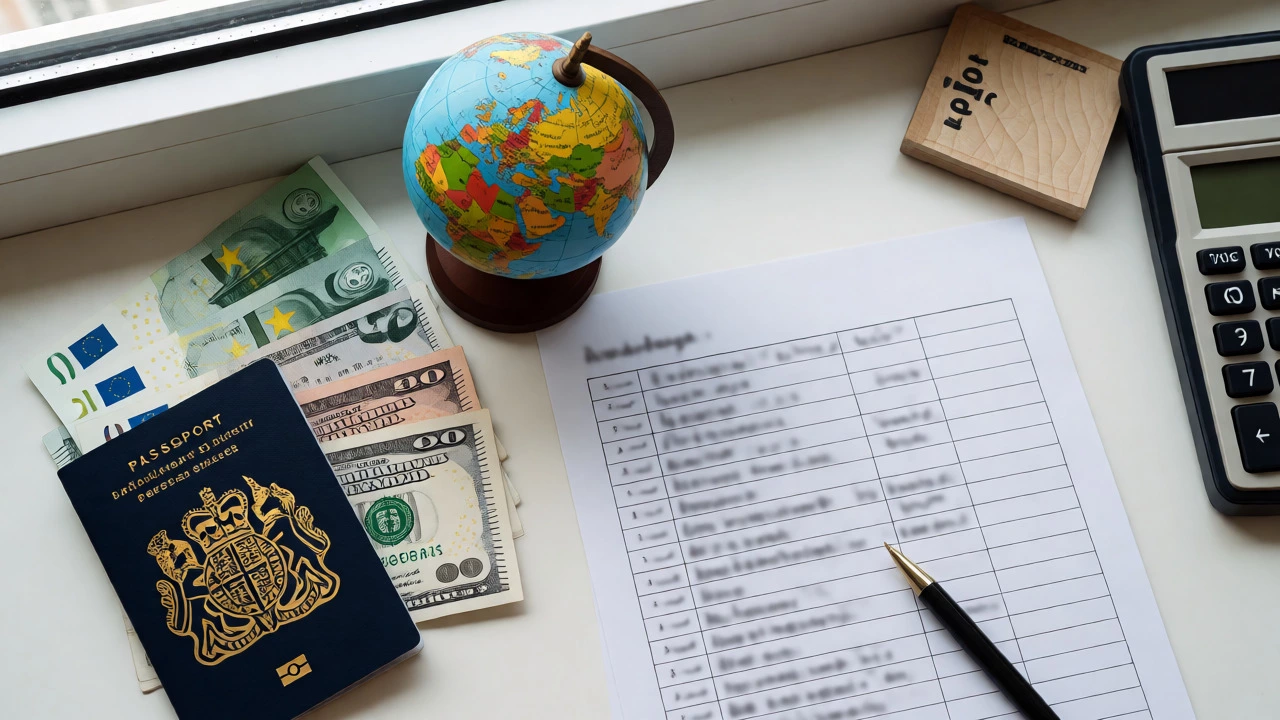
Don’t wait until you’re at the airport gate to sort this out. Here is a checklist to run through three months before departure:
- Update Your Address: Notify your ISA provider of your new overseas address. Ensure they have your new phone number and email.
- Check Online Access: Log in to your account from a foreign IP address (or simulate it) to ensure no geo-blocks stop you from managing investments.
- Review Tax Residency: Consult a tax advisor about your status in the new country. Do they tax worldwide investment income? Is there a remittance basis option?
- Consider Currency Risk: If you stay in GBP while earning in EUR or USD, exchange rate fluctuations could eat into your real returns. Decide if you want to convert funds or keep them in Sterling.
- Set Up Direct Debits: If you have any standing orders linked to the ISA, ensure they can be paid from an account you’ll still have access to, or cancel them.
What Happens When You Return?
Good news: if you move back to the UK, you regain your full ISA allowances immediately upon becoming a UK tax resident again. You can start topping up your old ISAs or opening new ones just like any other resident. The time you spent abroad doesn’t penalize your future savings capacity, except for the years you missed contributing. Those lost allowances are gone forever-there’s no carry-over rule for unused ISA caps.
Also, remember that inheritance tax (IHT) rules apply differently to non-domiciled residents. If you die while living abroad, your estate might face different IHT liabilities depending on your domicile status. This is a niche topic, but worth noting if your ISA holdings are significant.
Frequently Asked Questions
Can I open a new ISA if I am not a UK resident?
Generally, no. You must be a UK tax resident to open a new ISA or make new contributions to an existing one during the current tax year. Exceptions exist if you are working abroad for the Crown (like diplomats or civil servants) or if you are a spouse of such a worker.
Do I pay UK tax on ISA interest after moving abroad?
No, the UK does not tax ISA interest or dividends, even if you live abroad. However, your country of residence might tax that income. The UK's tax-free status does not override the tax laws of your new home country.
Will my bank close my ISA if I give them a foreign address?
Most mainstream banks allow you to keep your ISA open with a foreign address. However, some smaller building societies or niche providers may require a UK address for compliance reasons. Always check with your specific provider before moving.
Can I transfer my ISA to an overseas bank?
You cannot transfer an ISA to a non-UK institution and keep its ISA status. If you move your money to an overseas bank, it loses its tax-free wrapper in the UK. You would then be subject to normal UK tax rules on any gains if you were still liable, though as a non-resident, this is less relevant unless you return.
Does moving abroad affect my Capital Gains Tax exemption?
ISAs are exempt from Capital Gains Tax (CGT) within the UK. As a non-resident, you are generally not liable for UK CGT anyway, except on UK residential property sales. So, for most expats, the CGT exemption inside the ISA is redundant but harmless. The main issue remains foreign tax liability.